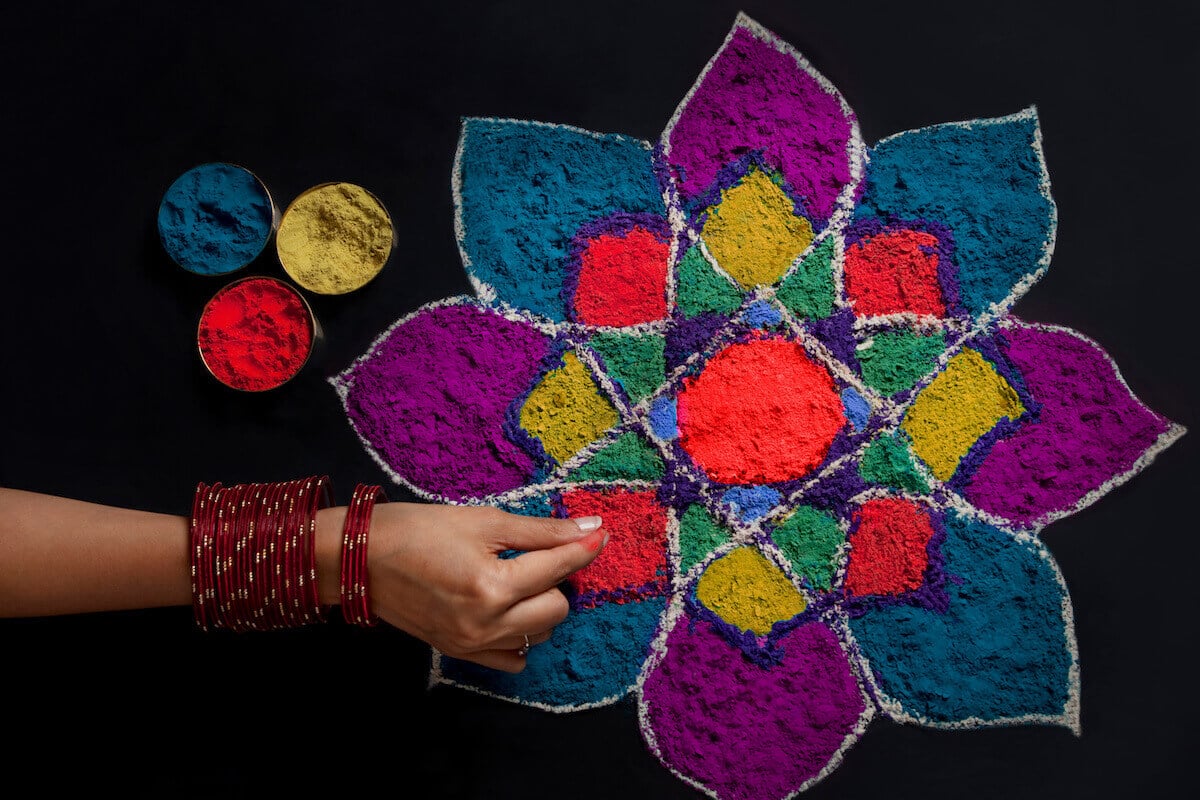
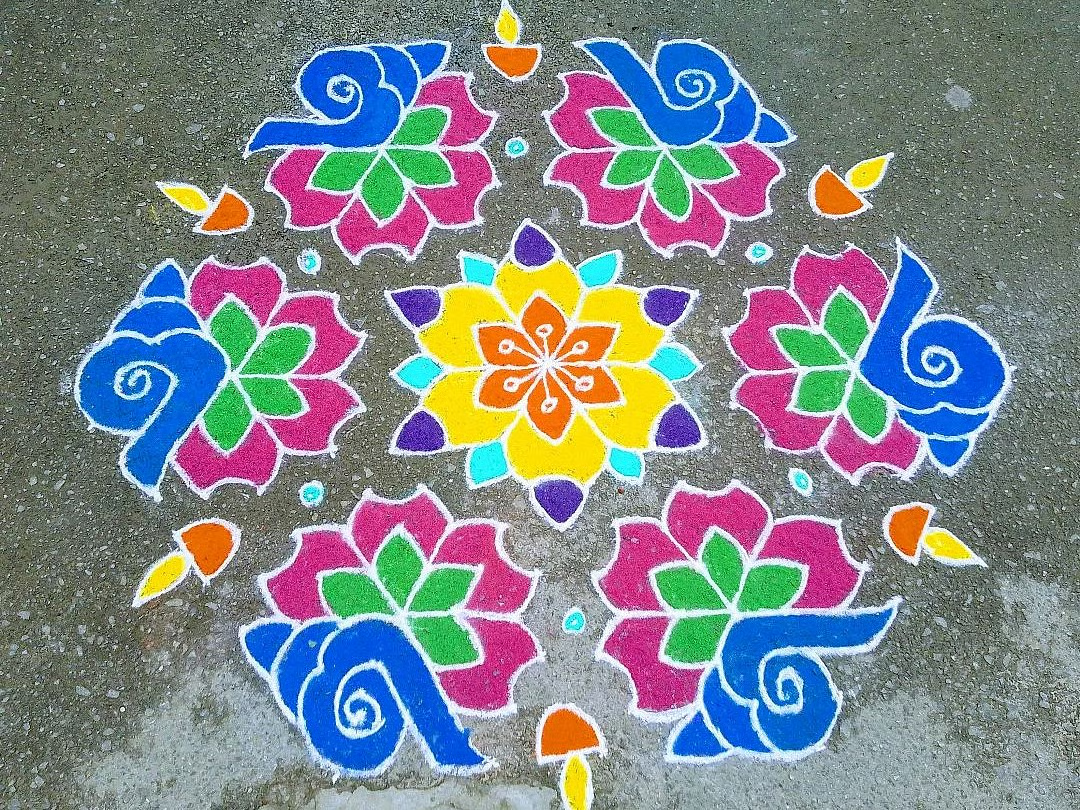
Rangoli artwork is more than a colorful decorative tradition—it is a cultural expression that blends artistic mastery, mathematical precision, and deep spiritual symbolism. Today, this ancient Indian art form continues to evolve, gaining popularity worldwide for its aesthetics, mindfulness benefits, and ability to transform any space into a visual celebration of color.
Table
- What Is Rangoli Artwork?
- The History and Cultural Significance
- Materials Used in Traditional and Modern Rangoli Artwork
- Popular Styles and Patterns
- How to Create Rangoli Artwork: Step-by-Step Guide
- Modern Applications of Rangoli Artwork
- Tips for Beginners Wanting to Master
- FAQs About Rangoli Artwork
What Is Rangoli Artwork?
Rangoli artwork refers to traditional floor designs created using colored powders, rice flour, flowers, chalk, or sand. Typically crafted during festivals like Diwali, Pongal, Onam, and Navratri, rangoli patterns symbolize prosperity, positivity, and the welcoming of auspicious energy.
This art form varies widely by region and community, but all styles share common elements such as:
- Geometric symmetry
- Flowing, organic shapes
- Use of vibrant colors
- Representations of nature, deities, and sacred symbols
The word Rangoli derives from the Sanskrit words rang (color) and aavalli (row of colors), capturing the essence of structured, colorful beauty.
The History and Cultural Significance
dates back thousands of years. Ancient texts mention decorative floor patterns used in rituals, celebrations, and ceremonies. Historians believe the practice originated to invoke blessings from deities and protect households from negative energy.
Symbolic Purposes
- Auspiciousness: Vibrant patterns are believed to attract prosperity and divine blessings.
- Protection: Symbols like lotus flowers or conch shapes protect the home from negative influences.
- Community Bonding: Creating often becomes a collective activity during festivals.
- Hospitality: A well-crafted rangoli is traditionally placed at the entrance to welcome guests.
Reliable cultural references include the Ministry of Culture (India) and academic studies on traditional Indian art.
Materials Used in Traditional and Modern Rangoli Artwork
Traditional Materials
- Rice flour
- Colored powders (gulal)
- Flower petals
- Sand or chalk
Modern Materials
- Acrylic colors
- Fabric paints
- Eco-friendly powders
- Rangoli stamps and stencils
- LED lights for 3D effects
Popular Styles and Patterns
1. Kolam (Tamil Nadu)
Geometric, symmetrical, dot-grid structures made primarily with white rice flour.
2. Alpana (West Bengal)
Created using a rice paste, usually featuring floral, conch, and geometric patterns.
3. Mandana (Rajasthan)
Bold white chalk motifs on red backgrounds representing animals, plants, and sacred symbols.
4. Muggu (Andhra Pradesh)
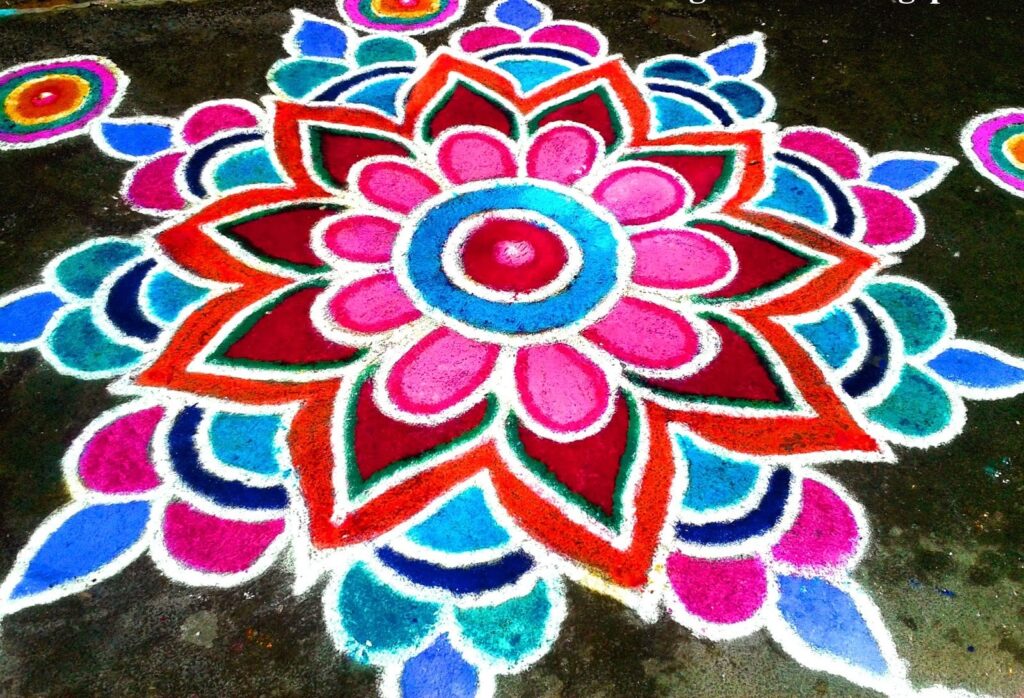
Similar to Kolam but often more colorful and fluid in design.
5. Flower Rangoli
Popular in South India, created entirely with flower petals for added fragrance and depth.
How to Create Rangoli Artwork: Step-by-Step Guide
Step 1: Choose the Right Base
Clean the floor area. Smooth, polished surfaces like stone or tile work best.
Step 2: Pick a Pattern
Beginners may choose circles, dots, or basic floral shapes. Advanced artists can attempt peacocks, mandalas, or multi-grid patterns.
Step 3: Sketch the Outline
Use chalk or a soft white pencil to ma
Step 4: Fill With Colors
Start from the center and move outward. Use powders or flower petals for smooth blending.
Step 5: Add Fine Details
Enhance your rangoli with borders, dots, shaded areas, or glitter.
Step 6: Finish and Protect
Use a light mist of water or adhesive powder to maintain structure and prevent smudging.
Modern Applications of Rangoli Artwork
Today, rangoli is used beyond festivals, appearing in weddings, corporate events, hotels, interior design, and art therapy. Digital rangoli designs are also growing in popularity, allowing artists to innovate using illustration software and graphic tablets.
Tips for Beginners Wanting to Master
- Start with dot-grid patterns.
- Practice filling techniques for cleaner lines.
- Try stencils for accuracy.
- Study traditional motifs for inspiration.
- Use eco-friendly materials whenever possible.
FAQs About Rangoli Artwork
What is the main purpose?
It traditionally welcomes prosperity and positive energy during celebrations.
Can beginners create rangoli easily?
Yes, especially by practicing basic geometric and floral shapes.
What materials last longest?
Colored sand, eco-friendly powders, and adhesive bases offer the best durability.
Is rangoli used outside India?
Yes, it has become global, especially in cultural events, decor, and art therapy.
How do I choose colors?
Select high-contrast color pairs to highlight borders and central motifs.
Remains one of the most vibrant cultural art forms, blending imagination, tradition, and spiritual symbolism. Whether you wish to celebrate a festival, decorate your space, or explore a mindful artistic practice, rangoli offers a meaningful and visually striking creative experience.
History of the Mural: From Ancient Walls to Modern Urban Art
The Symbolism of the Mona Lisa: What Her Smile Really Means
Analysis of the Color Green in Art: Meaning, Symbolism, and Applications
The Starry Night: Van Gogh’s Powerful Masterpiece Explained in 5 Steps

How to Analyze a Painting Like a Professional Critic
Color Symbolism in Art: How Colors Convey Emotions and Ideas
Leave a Reply