Chiaroscuro — from the Italian chiaro (light) and scuro (dark) — is the art of using strong contrasts between light and shadow to create depth, volume, and emotion in artworks. Popularized by masters like Caravaggio, Rembrandt, and Leonardo da Vinci, it’s the foundation of realistic rendering and visual drama. Today, artists use chiar oscuro across painting, drawing, photography, and even film lighting to evoke mood and realism.
🎨 Introduction: Painting with Light
Before the invention of photography, painters were the original directors of light. They used contrast — not just color — to tell stories, shape forms, and command attention.
Among these visual storytellers, chiaroscuro became a secret weapon. By controlling how light reveals and conceals, artists could make figures emerge from darkness or dissolve into it, guiding the viewer’s emotions.
From Caravaggio’s biblical dramas to da Vinci’s soft modeling of faces, chiaro scuro was never just technique — it was the poetry of visibility.
💡 What Is Chiaroscuro?
Chiaroscuro refers to the strategic use of light and shadow to model three-dimensional forms in two-dimensional art.
Instead of outlining objects, artists let light define them — a method that mimics how the human eye naturally perceives the world.
Core Principles:
Light defines form: The brightest areas (highlights) reveal structure.
Shadow gives depth: Midtones and dark values add volume.
Contrast creates focus: The eye moves toward the highest contrast point.
Emotion emerges from balance: Too much light feels flat; too much shadow feels obscure.
Think of chiarosc uro as sculpting with illumination — carving depth out of darkness.
🖌️ A Brief History of Chiaroscuro
🌗 Early Experiments: Giotto and Masaccio
During the Renaissance, artists like Giotto di Bondone and Masaccio began using light logically, casting shadows in consistent directions. This was revolutionary for its time, helping figures look real instead of symbolic.
💫 High Renaissance: Leonardo da Vinci
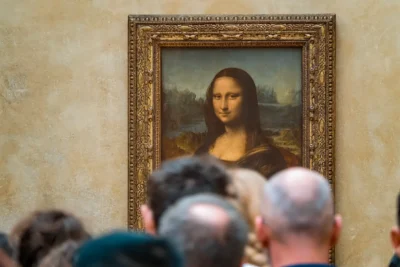
Leonardo perfected chiar oscuro with sfumato — blending tones seamlessly to create soft transitions. His Mona Lisa is a masterclass in subtle value shifts, giving the illusion of breath beneath the skin.
⚔️ Baroque Drama: Caravaggio
Caravaggio took chiaroscuro to the extreme, creating what later became known as tenebrism — the use of deep, theatrical shadows pierced by sharp beams of light. His The Calling of Saint Matthew captures the divine moment using a single light source slicing through darkness.
🔥 Dutch Masters: Rembrandt
Rembrandt brought emotional realism to chiaroscuro. His portraits glow from within, light emanating as much from the subject’s soul as from the environment.
🕯️ Modern Legacy
Today, chiaroscuro lives on in photography, cinematography, and digital art — from film noir’s moody lighting to modern portrait photography that relies on value contrast for drama.
🧠 The Science Behind Light and Shadow
Understanding chiaroscuro isn’t only about aesthetics — it’s physics and perception.
Light Source: The direction and intensity of light determine where highlights and shadows fall.
Core Shadow: The darkest area on an object, opposite the light source.
Reflected Light: A subtle glow bouncing off nearby surfaces, softening shadows.
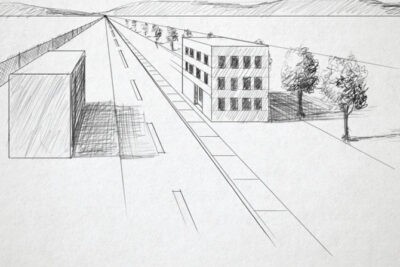
Cast Shadow: The shadow that the object projects onto another surface, anchoring it in space.
Artists manipulate these to mimic how light behaves in reality, tricking the eye into perceiving dimensionality on a flat surface.
🧰 How to Master Chiaroscuro in Your Art
1. Start with a Single Light Source
Avoid multiple lights when learning — one light = clear shadow logic. Use a desk lamp or window light when drawing from life.
2. Simplify Values
Reduce your image to 3–5 tonal zones:
Highlight
Light
Midtone
Core shadow
Cast shadow
This helps control contrast without overwhelming your palette.
3. Use Value Studies
Before painting, make thumbnail sketches in grayscale to plan light direction and contrast intensity.
4. Build Gradually
In painting, start with broad tones and refine toward details. Use glazing (thin transparent layers) to transition between values.
5. Guide the Viewer’s Eye
Place your strongest light–dark contrast where you want focus — like a face or hand — and let surrounding areas fade softly into shadow.
Using black for shadows: Shadows are rarely pure black; they contain reflected color.
Too many light sources: Confuses the scene’s logic.
Ignoring midtones: They’re the bridge between highlight and shadow; without them, forms collapse.
Flat background: Always anchor subjects with cast shadows or atmospheric gradient.
💬 FAQs About Chiaroscuro
Q1: Can chiaroscuro be used in color paintings? Absolutely — it’s about value, not hue. Even in color works, the contrast of light and shadow drives depth.
Q2: How is chiaroscuro different from sfumato? Chiaroscuro emphasizes contrast and structure; sfumato focuses on blending edges softly. They complement each other beautifully.
Q3: Is chiaroscuro relevant in digital art? Yes — digital painters use value layers and blending modes to simulate chiaroscuro lighting digitally.
Q4: What’s the best way to practice chiaroscuro? Draw simple objects (like spheres or faces) under a single light source. Focus on rendering the value transitions, not outlines.
Q5: How can I make chiaroscuro feel emotional, not technical? Vary your contrast based on mood — gentle transitions feel peaceful; hard edges feel dramatic.
🖼️ Conclusion: Drawing the Light Out of Darkness
Chiaroscuro teaches one of art’s most timeless lessons: light only exists because of shadow. To paint reality is to paint contrast — the play of visibility and mystery.
Whether on canvas, camera, or screen, mastering chiaroscuro is mastering the heartbeat of visual storytelling.
As da Vinci said: “Where the spirit does not work with the hand, there is no art.” And in chiaroscuro, spirit speaks through light.



Leave a Reply