The history of the mural is a journey through human civilization itself. From prehistoric caves to modern skyscrapers, has served as a powerful visual language — telling stories, preserving beliefs, expressing identity, and transforming public spaces into cultural landmarks. Walls have always been more than architectural structures; they have been canvases for humanity’s deepest ideas.
Today, murals shape city identities, strengthen communities, and redefine urban environments. Understanding their origins and evolution not only enriches our appreciation of art but also reveals how design influences society. In this in-depth guide, we explore art developed across cultures and centuries, and why it remains one of the most impactful artistic forms in contemporary design.
Table
- Origins: Prehistoric Wall Paintings and Early Human Expression
- Ancient Civilizations: Murals as Cultural Documentation
- The Renaissance: Mastery, Perspective, and Monumental Vision
- Baroque and Rococo: Drama and Illusion
- The Mexican Mural Movement: Art for the People
- Street Art and Urban Identity
- Techniques and Materials: Evolution Through Innovation
- Psychological and Social Impact of Murals
- Murals in Contemporary Design and Branding
- Digital Era: Murals in the Age of Social Media
- The Future of the Mural
- Why Understanding the History Matters
- Walls That Speak Across Time
Origins: Prehistoric Wall Paintings and Early Human Expression
The earliest evidence in the history of the mural dates back over 30,000 years. Prehistoric communities painted animals, hunting scenes, and symbolic imagery on cave walls using mineral pigments and natural tools. These works were not decorative in the modern sense — they were communicative, spiritual, and communal.
Sites such as the caves of Lascaux in France and Altamira in Spain demonstrate early technical sophistication. Artists used natural contours of rock surfaces to create movement and depth, showing an intuitive understanding of form and perspective. These early examples reveal that humans have always used walls to document their world and transmit meaning across generations.
From a design perspective, these ancient works already contained the core elements of art: scale, permanence, and narrative. Even in their earliest form, were immersive experiences.
Ancient Civilizations: Murals as Cultural Documentation
Egyptian Tomb Paintings
In Ancient Egypt, wall paintings covered tombs and temples with highly structured compositions. These artworks depicted religious rituals, daily activities, and journeys to the afterlife. Color symbolism and hierarchical scale were used intentionally, reflecting a sophisticated visual system.
Murals here were both aesthetic and functional — preserving stories for eternity and reinforcing religious belief systems.
Greek and Roman Frescoes
The Greeks advanced illusionistic techniques, but it was the Romans who perfected large-scale fresco painting. In cities like Pompeii and Herculaneum, walls were transformed into architectural illusions, landscapes, and mythological scenes.
The Roman fresco technique — applying pigment onto wet plaster — allowed to become part of the wall itself. This integration of art and architecture would influence centuries of design practices.
According to the Encyclopaedia Britannica, mural painting has consistently served both decorative and narrative purposes across civilizations, reinforcing its importance as a major artistic discipline.
The Renaissance: Mastery, Perspective, and Monumental Vision
The Renaissance marked a turning point in the history. Advances in perspective, anatomy, and composition allowed artists to create immersive visual environments that blended seamlessly with architecture.
Masters such as Leonardo da Vinci and Michelangelo elevated painting to extraordinary levels of technical and conceptual complexity. Church ceilings and palace walls became vast storytelling surfaces.
These works were not merely decorative commissions; they embodied intellectual movements, religious narratives, and political power. The mural became a medium capable of shaping collective imagination.
Renaissance innovations established standards in scale, realism, and spatial illusion that continue influencing contemporary mural design.
Baroque and Rococo: Drama and Illusion
During the Baroque period,expanded illusionism even further. Ceilings appeared to open into the heavens, architectural boundaries dissolved, and dramatic compositions emphasized movement and emotion.
This period demonstrated how mural art could manipulate spatial perception. Through trompe-l'œil techniques, artists blurred the line between architecture and imagination — a strategy still used in modern experiential design.
The Mexican Mural Movement: Art for the People
In the early 20th century, the Mexican Mural Movement transformed the social role. Following the Mexican Revolution, artists used public walls to communicate political messages and celebrate national identity.
Large-scale works addressed themes such as social justice, labor rights, and indigenous heritage. Became accessible visual narratives for the broader population, not confined to elite institutions.
This movement redefined as a democratic tool — one that could educate, inspire, and mobilize communities. Its influence extended globally, shaping public art movements throughout the Americas and beyond.
Street Art and Urban Identity
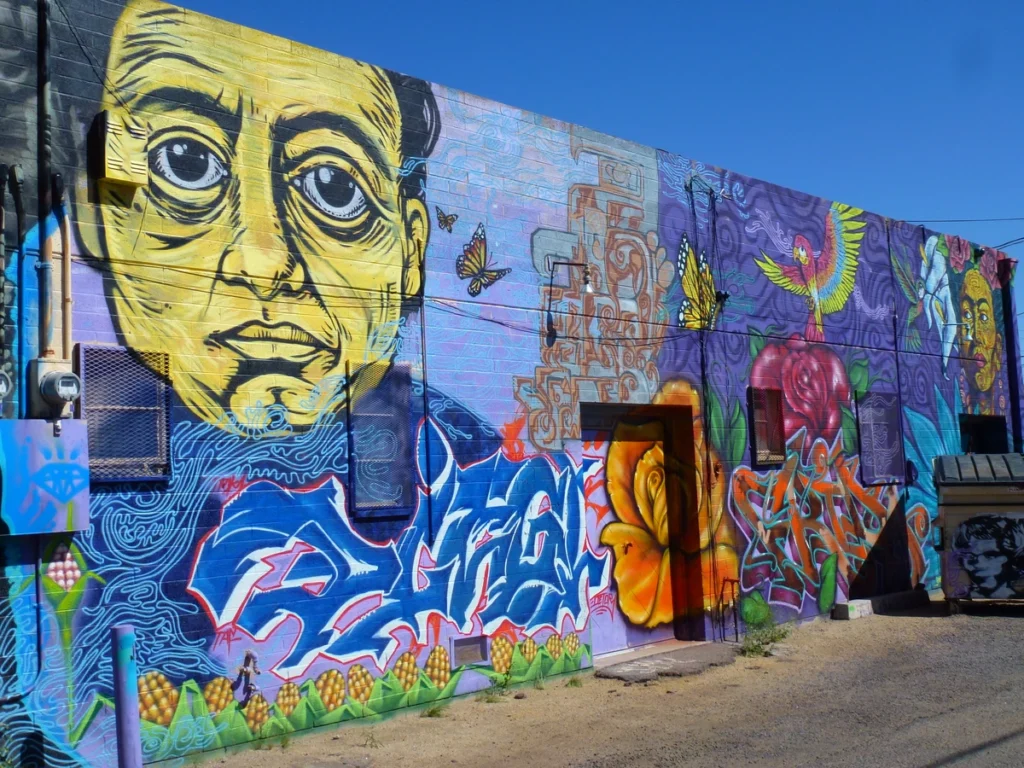
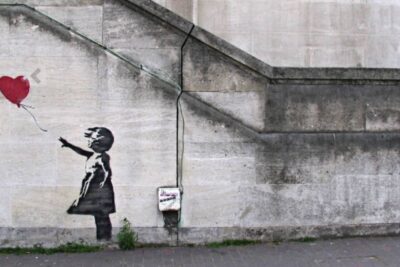
By the late 20th century, evolved into contemporary street art and urban interventions. Unlike earlier institutional commissions, many modern emerged organically within neighborhoods.
Urban artists began using building facades to address identity, activism, culture, and social commentary. Cities worldwide embraced large-scale wall art as a means of revitalization, tourism attraction, and cultural branding.
Today,projects are often part of city planning strategies. They reduce visual monotony, activate underutilized spaces, and foster local pride. Unlike temporary graffiti, professionally executed combine artistic excellence with durable materials and thoughtful design integration.
Techniques and Materials: Evolution Through Innovation
Fresco
Traditional fresco involves applying pigments onto wet plaster, creating long-lasting results integrated with architecture.
Secco and Acrylic
Painting on dry surfaces expanded flexibility and allowed more detailed work.
Spray and Mixed Media
Modern murals frequently incorporate spray paint, digital projection mapping, stencils, and mixed media techniques. Technological advancements now enable hyper-realistic imagery and complex compositions on massive scales.
Durability coatings, UV-resistant paints, and sustainable materials have further advanced professional production, aligning art with environmental responsibility.
The power of theextends beyond aesthetics. Research in environmental psychology suggests that well-designed public art enhances emotional well-being and strengthens community connection.
Can:
- Encourage civic engagement
- Celebrate cultural heritage
- Reduce urban stress
- Support local economies
- Create landmarks and visual identity
When strategically integrated into architectural environments, murals contribute to placemaking — the intentional design of meaningful public spaces.
Murals in Contemporary Design and Branding
In modern commercial spaces, design has expanded beyond public art into hospitality, corporate branding, retail environments, and residential interiors.
Businesses use murals to communicate brand values, tell origin stories, and create immersive customer experiences. Hotels and restaurants incorporate large-scale wall art to enhance ambiance and memorability.
Unlike generic decoration, a custom authenticity and narrative depth. It becomes part of the architectural identity rather than a temporary accessory.
Interior designers and architects increasingly collaborate with artists to ensure cohesion between space, lighting, materials, and visual storytelling.
Social media has amplified the visibility of mural art worldwide. Instagrammable walls attract tourism and drive foot traffic to neighborhoods and businesses.
Large-scale artworks often become city icons, photographed and shared thousands of times. This digital amplification reinforces the role as both artistic statement and marketing asset.
However, authenticity remains essential. The most impactful are rooted in local context rather than superficial aesthetics.
The Future of the Mural
As technology evolves, mural art continues adapting. Augmented reality layers, projection mapping, and interactive installations are redefining how audiences engage with walls.
Sustainability is also shaping the future. Eco-friendly paints, recycled materials, and environmentally conscious themes align practice with global sustainability goals.
Despite technological innovation, the essence remains unchanged is a powerful medium of storytelling, identity, and spatial transformation.
Why Understanding the History Matters
Exploring the history reveals more than artistic progression. It shows how societies communicate values, respond to change, and define collective memory.
From cave walls to contemporary cityscapes,bridge past and present. They reflect power structures, social movements, religious beliefs, and technological advancements.
For designers, architects, and urban planners, understanding this legacy informs more meaningful and responsible visual interventions.
Walls That Speak Across Time
The mural is one of humanity’s oldest and most enduring art forms. Its evolution mirrors our cultural development — from spiritual rituals to political activism and commercial storytelling.
Today, murals are not relics of the past but dynamic tools shaping modern environments. They enhance architecture, activate communities, and create emotional resonance within public and private spaces.
As cities grow and visual communication becomes increasingly important, mural art continues to redefine how we experience the built environment. Understanding its history allows us to design with intention, authenticity, and impact — ensuring that walls will continue telling powerful stories for generations to come.
Layering and Glazing: Building Depth Like the Old Masters
How to Analyze a Painting Like a Professional Critic
Works of contemporary art
Versions Mona Lisa: Interpretation, Replica, and Reinvention of the Iconic Masterpiece
The Vanishing Point in Art: Understanding Perspective and Depth 🎨✨

Creative Drawing Ideas to Boost Your Artistic Skills
Leave a Reply