Cosmetic painting is a specialized art form that blends traditional painting skills with cosmetic and aesthetic techniques. It is widely used in makeup artistry, medical applications, theatrical design, and creative projects. Understanding cosmetic painting allows artists and professionals to enhance beauty, create realistic effects, and deliver visually impactful results.
Table
What is Cosmetic Painting?
Cosmetic painting refers to the use of pigments, textures, and techniques applied to human skin, prosthetics, or artistic surfaces to enhance appearance, create illusions, or convey artistic concepts. Unlike traditional painting on canvas, cosmetic painting requires attention to anatomy, skin tone, texture, and blending to achieve a natural or expressive result.
Key Characteristics of Cosmetic Painting:
- Use of skin-safe pigments or cosmetic products
- Application on skin, prosthetics, or temporary surfaces
- Focus on realism, texture, and blending
- Integration with lighting and environment for visual effect
Applications of Cosmetic Painting
Cosmetic painting spans multiple industries, each with unique applications and techniques:
1. Makeup Artistry
Professional makeup artists use cosmetic painting to create flawless looks for clients, photo shoots, fashion, and special events. Techniques include foundation blending, contouring, highlighting, and artistic makeup effects.
2. Theatrical and Film Design
In theater, film, and TV, cosmetic painting is crucial for character creation. Artists use prosthetics, body paints, and pigments to transform actors, create aging effects, wounds, scars, or fantasy characters.
3. Medical and Reconstructive Applications
Cosmetic painting plays a role in medical fields, such as paramedical tattooing, scar camouflage, and reconstruction of areolas after mastectomy. Techniques focus on realistic pigmentation, blending, and long-lasting results.
4. Creative and Artistic Projects
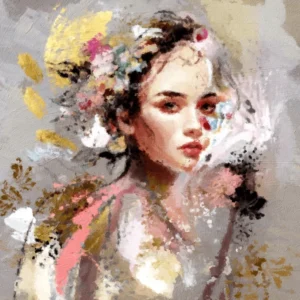
Body painting, festivals, and performance art often involve. Artists experiment with textures, colors, and patterns to express narratives or artistic concepts on the human body.
Essential Tools and Materials for Cosmetic Painting
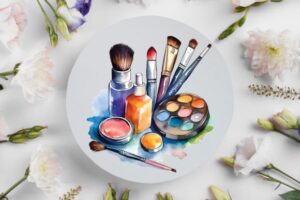
Professional requires specialized tools and materials:
- Cosmetic Pigments: Skin-safe, hypoallergenic powders, creams, or liquid colors.
- Brushes and Sponges: Varying sizes and textures for precision, blending, and detailing.
- Airbrush Systems: For smooth, gradient effects and full-body applications.
- Prosthetics and Stencils: For texture creation, special effects, and complex designs.
- Fixatives and Sealers: To ensure long-lasting, smudge-resistant results.
Step-by-Step Guide to Cosmetic Painting
Step 1: Prepare the Surface
Clean and moisturize the skin or prepare the prosthetic surface to ensure pigments adhere properly and blend smoothly.
Step 2: Choose the Right Pigments
Select pigments according to skin tone, design intent, or desired effect. Consider blending complementary colors for realism.
Step 3: Base Application
Apply foundation or a base color evenly to create a smooth canvas. Use sponges or brushes depending on the area.
Step 4: Detail Work
Add contours, highlights, and textures. Use thin brushes for precision and layering techniques to build depth and realism.
Step 5: Special Effects (Optional)
Apply prosthetics, stencils, or airbrush techniques for creative or theatrical designs. This can include scars, wounds, tattoos, or body art patterns.
Step 6: Setting and Finishing
Use a fixative or sealer to prolong the life. Ensure edges are blended and colors appear natural under intended lighting.
Common Mistakes to Avoid
- Using pigments that are not skin-safe
- Neglecting skin preparation, resulting in uneven application
- Over-applying color, creating unnatural appearance
- Ignoring lighting, leading to poor visual effect
- Skipping proper sealing, causing smudging or fading
Professional Tips for Cosmetic Painting
- Always test pigments on a small area for allergies or reactions.
- Layer colors gradually instead of applying thick layers at once.
- Use reference images for realistic effects, especially in paramedical or theatrical painting.
- Maintain hygiene with clean brushes, sponges, and tools.
- Practice blending techniques to achieve seamless transitions and natural results.
Cosmetic Painting in Modern Design and Media
Fashion and Editorial
High-fashion photography often uses cosmetic painting for editorial looks, emphasizing texture, color, and conceptual themes. Artists create abstract or avant-garde designs that complement styling and lighting.
Film and Special Effects
In movies is essential for character transformation. Techniques include aging effects, prosthetic blending, and realistic injury simulation, often combining traditional painting skills with digital enhancements.
Body Art and Festivals
Cosmetic painting is widely used in performance art, body painting competitions, and cultural festivals. Artists experiment with vibrant colors, geometric patterns, and visual storytelling.
Medical Applications
Paramedical tattooing and scar camouflage rely for restorative aesthetics. Artists must understand skin undertones, pigmentation, and blending to deliver realistic and comforting results.
Cosmetic painting is a versatile and highly skilled art form that bridges traditional painting techniques with makeup, theatrical effects, medical aesthetics, and creative design. Mastering this art requires practice, attention to detail, and knowledge of pigments, blending, and surface preparation.
Whether for professional makeup, film, body art, or paramedical purposes allows artists to enhance beauty, create realism, and deliver visually striking results. By studying techniques, practicing regularly, and applying professional tips, any artist or designer can elevate their cosmetic painting skills to a high standard.
Frida Kahlo: The Life, Art, and Legacy of a Revolutionary Icon 🎨✨
Art History: A Complete Timeline of Art Movements from Renaissance to Modern Art
How to Find Beauty & Inspiration: 6 Drawing Ideas from Everyday Life
Three Point Perspective Drawing: Master Dynamic Depth and Realistic Angles

Artists: The Greatest Artists in History – Lives, Styles, and Influence
The Vanishing Point in Art: Understanding Perspective and Depth 🎨✨
Leave a Reply