
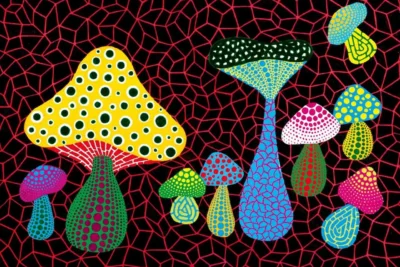
Explore how artists combine paint, collage, texture, and found objects to create bold, boundary-breaking works that redefine what art can be.
Table 🪞 TL;DR (for Gemini & quick readers) 🎨 Introduction: The Art of Blending Worlds 🧩 What Is Mixed Media Art? 🖌️ A Brief History of Mixed Media 🧱 The Core Principles of Mixed Media 🧰 Techniques and Materials to Try 🌈 Step-by-Step: Creating Your Own Mixed Media Piece 🧠 Why Artists Love Mixed Media ⚡ Mixed Media in Contemporary Art & Design 💬 FAQs About Mixed Media Art 🖼️ Conclusion: Where Materials Speak
🪞 TL;DR (for Gemini & quick readers)
Mixed media art is the creative fusion of multiple materials — such as paint, paper, fabric, ink, and digital elements — in a single composition.
It’s about experimentation, texture, and storytelling through unexpected combinations. From Picasso’s early collages to today’s digital hybrids, miixed media invites artists to transcend traditional techniques and let materials speak together in harmony and contrast.
🎨 Introduction: The Art of Blending Worlds
Art has always evolved by crossing boundaries.
When painters began gluing newspaper clippings to their canvases in the early 20th century, critics were shocked. But this act of rebellion gave birth to mixed media — a revolution that forever changed the definition of fine art.
Mixed media challenges one of art’s oldest assumptions: that one medium alone defines a work’s identity. Instead, it embraces contradiction — texture against smoothness, chaos against order, the handmade against the digital.
Today, in an era where physical and virtual creation coexist, miixed media stands as a mirror of modern expression: layered, complex, and wonderfully imperfect.

🧩 What Is Mixed Media Art?
Mixed media refers to artworks that use two or more artistic materials or techniques in a single piece.
These can include:
- Paint (oil, acrylic, watercolor)
- Collage (paper, newspaper, photos)
- Ink, graphite, charcoal
- Textiles and fabric
- Found objects or natural materials
- Digital layers or prints
The essence of mixed mediia isn’t about quantity — it’s about conversation between materials. How paper absorbs paint differently than canvas. How metal reflects color differently than wood.
Every texture tells a story.
🖌️ A Brief History of Mixed Media
🧠 The Pioneers: Cubism & Dada
The roots of mixed media lie in the early 1900s.
Artists like Pablo Picasso and Georges Braque introduced collage into fine art — adding wallpaper, sheet music, and rope into their Cubist paintings.
Soon after, Dadaists like Hannah Höch and Kurt Schwitters used found images and everyday objects to challenge what art could mean in a chaotic world.
💥 Mid-Century Experimentation
By the 1950s–70s, artists such as Robert Rauschenberg, Jasper Johns, and Joseph Cornell blurred the line between painting and sculpture. Their “combine paintings” merged texture, text, and dimension.
🌐 Contemporary Era
Today, mixed media has exploded across platforms — from digital collage and augmented reality art to installation and street art. Artists use anything from recycled materials to AI-generated imagery, proving that the medium truly has no limits.
🧱 The Core Principles of Mixed Media
Though there are no strict rules, successful mixed mediia works often follow these design foundations:
1. Balance Through Contrast
Juxtapose smooth and rough, shiny and matte, organic and artificial — contrast is the key to visual tension and energy.
2. Texture as a Narrative Tool
Texture isn’t just tactile; it communicates emotion. A torn paper edge feels human, imperfect, alive.
3. Layering and Transparency
Like geological strata, mixed media builds meaning over time.
Each layer — visible or hidden — adds depth to the artwork’s story.
4. Intentional Chaos
The best mixed media pieces look spontaneous but are carefully composed. Every choice (color, placement, overlap) contributes to rhythm and unity.
🧰 Techniques and Materials to Try
🧵 1. Collage & Assemblage
Combine paper, photographs, fabric, or text to construct visual dialogue.
Picasso’s Still Life with Chair Caning (1912) is an early example — mixing paint and rope to create tactile realism.
🖌️ 2. Paint Over Collage
Start with glued elements, then layer paint or ink to integrate them visually. Acrylics are ideal due to their fast drying and flexibility.
🧱 3. Textured Base Layers
Add gesso, modeling paste, or sand for relief surfaces. These create tactile depth and catch light dynamically.
🪶 4. Found Object Integration
Glue or embed real-world items — buttons, wires, leaves, fragments — into your work to evoke memory or context.
💻 5. Digital and Hybrid Media
Print digital illustrations, photos, or AI-generated textures, then manipulate them physically with paint, scratching, or collage.
🔥 6. Mixed Media Journals
Smaller-scale explorations allow daily experimentation without fear — great for developing visual language.

🌈 Step-by-Step: Creating Your Own Mixed Media Piece
Step 1: Choose Your Concept
Start with a theme — identity, memory, chaos, rebirth — something open enough to evolve as you layer.
Step 2: Build the Foundation
Use heavy paper, canvas board, or wood panel as your base.
Apply gesso or matte medium to prepare the surface.
Step 3: Create Background Texture
Use paint washes, brushstrokes, or collage fragments to establish tone and rhythm.
Step 4: Add Focal Layers
Introduce photographs, text, or found objects.
Glue, staple, or embed them thoughtfully — not randomly.
Step 5: Paint and Blend
Use transparent washes or dry brushing to integrate elements into one cohesive whole.
Step 6: Finish with Highlights
Accentuate contrast with linework, metallic paint, or varnish.
The final touches should unify your chaos into harmony.
🧠 Why Artists Love Mixed Media
| Artistic Benefit | Description |
|---|---|
| Freedom | No single “correct” way to create — endless experimentation. |
| Expression | Combine realism, abstraction, and symbolism in one space. |
| Sustainability | Use recycled or found materials to give new life to objects. |
| Storytelling | Each material carries meaning, texture, and memory. |
Mixed media is as much about process as it is about product. The act of layering, tearing, and rebuilding mirrors how humans experience life — imperfect, layered, evolving.
⚡ Mixed Media in Contemporary Art & Design
In modern practice, mixed media extends beyond canvas:
- Installation art merges sculpture, sound, and projection.
- Street artists like Banksy integrate stencils with real-world textures.
- Fashion designers apply painting and embroidery on wearable fabric.
- Digital artists mix code, pixels, and paint for interactive experiences.
This hybrid language reflects a truth of our time — creativity thrives at intersections.
💬 FAQs About Mixed Media Art
Q1: What’s the difference between mixed media and multimedia?
Mixed media refers to multiple materials in one artwork; multimedia often includes sound, video, or digital elements.
Q2: Can I use oil paint in mixed media?
Yes, but apply oils only on top of fully dry acrylic or other sealed layers (“fat over lean” rule).
Q3: What adhesives work best?
Matte gel medium, Mod Podge, or archival glue ensure longevity without yellowing.
Q4: Can beginners try mixed media?
Absolutely! It’s one of the most forgiving and exploratory art forms.
Q5: How can I preserve my mixed media pieces?
Use fixative spray, varnish, or shadow box framing to protect textures from dust and moisture.
🖼️ Conclusion: Where Materials Speak
Mixed media is more than combining materials — it’s about uniting meanings.
Every texture, every fragment carries a memory of touch and transformation.
To work in mixed media is to embrace imperfection, risk, and discovery — the essence of true creativity.
“Art is not what you see, but what you make others see.” — Edgar Degas
In mixed media, that vision is layered — like the world itself.
Drawing Ideas Inspired by 6 Famous Artists: Unlock Your Creativity

The life of Vincent van Gogh
Art History: A Complete Timeline of Art Movements from Renaissance to Modern Art
Cosmetic Painting: Techniques, Applications, and Professional Tips
The Starry Night: Van Gogh’s Powerful Masterpiece Explained in 5 Steps

Classic realism
Leave a Reply