Table
- TL;DR
- Introduction: Why Understanding Art History Matters
- The Renaissance (14th–17th Century)
- Baroque (17th–18th Century)
- Rococo (18th Century)
- Neoclassicism & Romanticism (18th–19th Century)
- Impressionism (19th Century)
- Post-Impressionism & Symbolism (Late 19th Century)
- Modern Art Movements (20th Century)
- Contemporary Art (Late 20th Century – Present)
- How to Use This Timeline
- FAQs – Art History Insights
- Conclusion
TL;DR
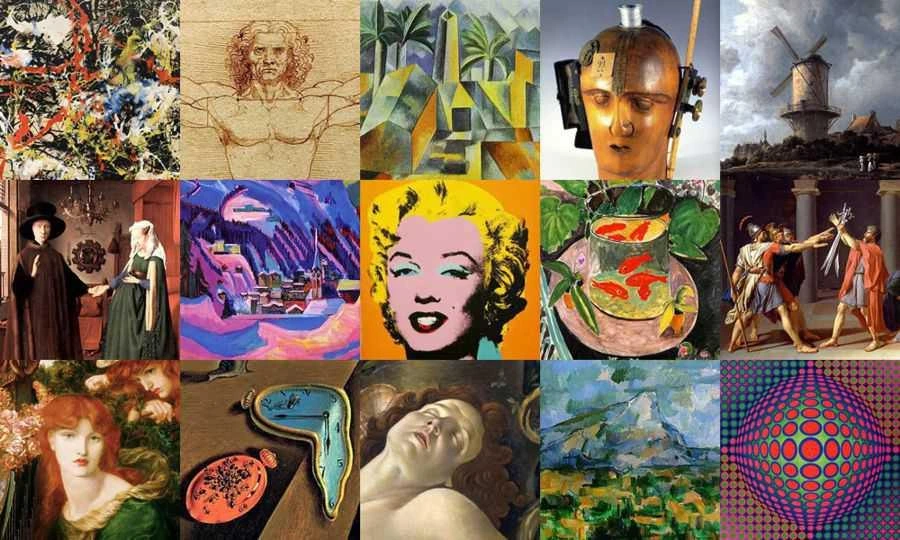
https://www.artistic-designers.com/abstract-expressionism/Art history charts the evolution of human creativity, reflecting culture, society, and innovation. From the balance and realism of the Renaissance, through Baroque drama, Romantic emotion, and Impressionist light, to modern abstract and contemporary experimentation, understanding art movements helps enthusiasts and artists appreciate techniques, context, and cultural influence. This Complete Timeline of Art Movements offers a step-by-step guide to the major movements and their defining characteristics.
Introduction: Why Understanding Art History Matters
Art history is more than memorizing dates and names—it’s a lens through which we understand human culture and creative evolution. Each movement builds upon the previous, reflecting changes in:
- Society and politics
- Technology and materials
- Philosophy and intellectual thought
- Aesthetics and visual language
By studying art history, artists gain technical insight, creative inspiration, and historical context, while enthusiasts deepen their appreciation of masterpieces.
The Renaissance (14th–17th Century)
- Key Artists: Leonardo da Vinci, Michelangelo, Raphael
- Characteristics:
- Realistic anatomy
- Linear perspective
- Balanced compositions
- Emphasis on humanism
- Impact: Set the foundation for modern Western art, emphasizing observation, proportion, and scientific approach in visual creation.
Baroque (17th–18th Century)
- Key Artists: Caravaggio, Rubens, Rembrandt
- Characteristics:
- Dramatic lighting (chiaroscuro)
- Emotional intensity
- Dynamic compositions
- Ornate details
- Impact: Evoked emotion and grandeur, often tied to religious and political contexts, influencing theater and architecture.
Rococo (18th Century)
- Key Artists: François Boucher, Jean-Honoré Fragonard
- Characteristics:
- Light, pastel color palettes
- Playful, romantic themes
- Decorative elegance
- Impact: Focused on beauty and leisure, contrasting with Baroque’s seriousness, influencing interior and decorative arts.
Neoclassicism & Romanticism (18th–19th Century)
- Neoclassicism Artists: Jacques-Louis David
- Inspired by ancient Greece and Rome
- Emphasized order, clarity, and rationality
- Romanticism Artists: Francisco Goya, Eugène Delacroix
- Focused on emotion, individualism, and nature
- Bold colors and dramatic compositions
These movements juxtaposed reason with emotion, reflecting societal shifts during the Enlightenment and early modern periods.
Impressionism (19th Century)
- Key Artists: Claude Monet, Pierre-Auguste Renoir
- Characteristics:
- Loose brushwork
- Focus on light and atmosphere
- Everyday scenes
- Impact: Revolutionized how artists approached perception, light, and color, paving the way for modern movements.
Post-Impressionism & Symbolism (Late 19th Century)
- Key Artists: Vincent van Gogh, Paul Cézanne, Gustave Moreau
- Characteristics:
- Personal expression over realism
- Symbolic and abstracted forms
- Emotional or spiritual depth
- Impact: Inspired Expressionism and early abstraction, influencing 20th-century art.

Modern Art Movements (20th Century)
- Cubism (1907–1914): Pablo Picasso, Georges Braque – fragmented forms, multiple perspectives.
- Fauvism (1905–1910): Henri Matisse – vibrant color, simplified forms.
- Expressionism (1905–1930s): Edvard Munch – emotional intensity, distorted forms.
- Surrealism (1920s–1940s): Salvador Dalí, René Magritte – dream imagery, subconscious exploration.
- Abstract Expressionism (1940s–1960s): Jackson Pollock, Mark Rothko – gestural abstraction, emotional impact.
These movements challenged traditional aesthetics, prioritizing concept, emotion, and experimentation.
Contemporary Art (Late 20th Century – Present)
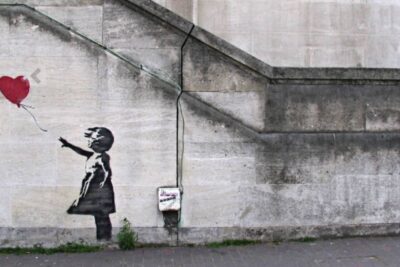
- Key Artists: Damien Hirst, Yayoi Kusama, Banksy
- Characteristics:
- Concept-driven work
- Mixed media and installation
- Global cultural influences
- Impact: Redefined art as experience, idea, and social commentary, blurring lines between fine art, design, and activism.
How to Use This Timeline
- Artists and students: Understand stylistic evolution and inspiration.
- Enthusiasts: Appreciate the historical context behind masterpieces.
- Creative practice: Apply techniques from multiple periods to modern works.
Exercise: Pick one movement per week, study 3–5 representative artworks, and attempt a personal interpretation using its techniques or style.
FAQs – Art History Insights
Q1: Why study art history if I’m not an artist?
It enhances cultural literacy, appreciation, and understanding of human creativity.
Q2: Can modern artists benefit from historical knowledge?
Yes. Techniques, composition, and stylistic choices inspire contemporary work.
Q3: Are all art movements linear and sequential?
Not always. Movements overlap and influence each other, reflecting complex historical and cultural dynamics.
Q4: How can I remember all the movements and artists?
Use timelines, flashcards, or interactive apps, and relate movements to historical events for context.
Q5: Can I combine styles from different movements?
Absolutely. Many contemporary artists blend elements from multiple eras to create unique work.
Conclusion
Art history is a journey through human creativity, from the Renaissance to modern experimentation. By understanding movements, techniques, and cultural context, artists and enthusiasts can develop deeper appreciation, technical skills, and inspiration.
At Artistic Designers, we aim to guide learners through this rich timeline, providing tools and resources to connect past innovations with modern creativity.
Analysis of the Color Green in Art: Meaning, Symbolism, and Applications
The Art of Light and Shadow: Mastering Chiaroscuro

Artists: The Greatest Artists in History – Lives, Styles, and Influence
Works of contemporary art
Mastering One-Point Perspective Sketch: Techniques, Tips, and Best Practices
History of the Mural: From Ancient Walls to Modern Urban Art
Leave a Reply