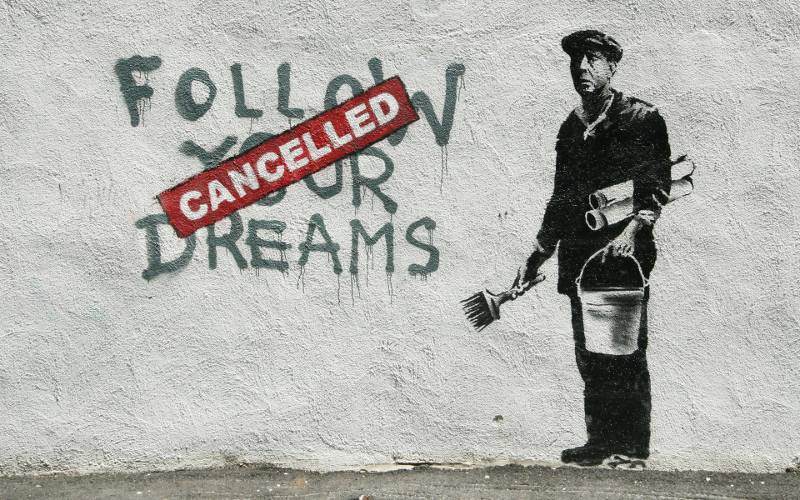
Banksy is one of the most influential and enigmatic street artists of the 21st century. Known for his powerful stenciled imagery and razor-sharp social commentary, he has reshaped global conversations about art, politics, public space, and activism. Despite worldwide recognition, true identity remains unconfirmed, preserving an aura of mystery that has transformed him into a cultural phenomenon.
Table
Who Is Banksy?
Banksy is a pseudonymous street artist, political activist, and filmmaker whose works have appeared on streets, bridges, and walls across the world. Active since the 1990s, became known for his dark humor, satirical themes, and bold stenciling style. While speculation about his identity exists, none has been confirmed, and responsible sources acknowledge that his identity remains unknown.
His anonymity adds to the intrigue, shifting attention from the creator to the message itself—an intentional artistic choice echoing his criticism of the commercial art world.
Artistic Style and Techniques
Banksy’s distinctive visual language blends simplicity with striking depth. His chosen medium—public spaces—allows his work to reach diverse audiences, often bypassing traditional galleries.
1. Stenciling Technique
Stenciling defines much of Banksy’s output. This technique enables quick execution, essential for illegal street installations, and ensures crisp, recognizable shapes.
2. Use of Monochrome and Limited Color Palettes
Most pieces use black and white tones, occasionally accented with red or muted colors for emotional effect, symbolism, or contrast.
3. Satirical Visual Narratives
His images often juxtapose innocence with violence, authority with vulnerability, or humor with tragedy, producing an immediate emotional impact.
His works commonly include subtle visual metaphors that reveal deeper meaning upon closer inspection—commentary on war, capitalism, surveillance, and human rights.
Main Themes in Banksy’s Work
1. Anti-War Messages
Many of Banksy’s pieces criticize military conflict, weaponization, and the normalization of violence. Works such as soldiers painting peace symbols blend irony with protest.
2. Critique of Consumerism
He frequently challenges consumer culture, highlighting how mass production, advertising, and corporate power shape human behavior.
3. Surveillance and Control
Banksy has commented extensively on government monitoring, privacy erosion, and the rise of surveillance states.
4. Refugees and Human Rights
Several of his works amplify voices of marginalized groups, including migrants and displaced populations, turning public walls into platforms for awareness.
5. The Art Market Paradox
Banksy often critiques the art market’s commodification of creativity—even as his own pieces sell for record prices. His 2018 self-shredding artwork became a worldwide symbol of artistic rebellion against commercialization.
Famous Banksy Artworks
Below are some of the most iconic pieces associated with Banksy’s career. These artworks have sparked global discussion and remain influential in contemporary culture.
1. Girl With Balloon
One of Banksy’s most recognizable works, depicting a young girl reaching toward a floating red heart-shaped balloon. Its themes include hope, loss, and innocence.
2. Flower Thrower
A masked protester throws a bouquet of flowers instead of a weapon, representing a call for peace amid conflict.
3. The Mild Mild West
A striking Bristol mural critiquing police aggression shown through a teddy bear facing riot officers.
4. Kissing Coppers
A bold representation of two male police officers kissing, challenging authority and exploring sexuality and identity.
5. Slave Labour
A young child sewing Union Jack bunting, addressing labor exploitation and inequality.
6. The Shredded “Love Is in the Bin”
During a live auction, the artwork partially shredded itself—an iconic moment that redefined performance art and market criticism.
Banksy’s influence extends far beyond street art. His works have reshaped modern visual culture and inspired both political conversation and artistic innovation.
1. Redefining Street Art
He helped elevate street art into mainstream acceptance, paving the way for a new generation of public-space artists.
2. Public Engagement
Banksy’s installations often become community events, attracting crowds, generating discourse, and encouraging civic participation.
3. Tourism and Local Economies
Cities where Banksy’s pieces appear often see significant increases in tourism, photography, and local business activity.
He has mastered global virality, with each new artwork becoming a trending moment across platforms like Instagram and Twitter.
5. Philanthropy and Activism
Banksy has used his art to support humanitarian causes, including fundraisers for hospitals, refugee shelters, and social justice initiatives.

Controversies and Legal Challenges
As an anonymous street artist, Banksy operates at the intersection of art, activism, and law. While celebrated for creativity, the nature of his installations has sparked debates:
- Public property damage: Some municipalities treat his murals as vandalism.
- Ownership disputes: Building owners sometimes attempt to remove and sell murals.
- Authenticity issues: The demand for his work has created a market prone to fakes.
- Trademark disputes: Banksy's organization, Pest Control, manages authenticity to prevent commercial exploitation.
Despite debate, his work continues to influence global audiences and challenge societal norms.
How Banksy Changed the Modern Art World
Banksy altered the landscape of contemporary art in several ways:
- He democratized art by bringing it to public spaces.
- He combined activism with visual storytelling.
- He introduced performance elements into street art.
- He transformed anonymity into an art form itself.
This fusion of rebellion, humor, and symbolism made him an essential figure in 21st-century culture.
Tips for Understanding and Appreciating Banksy’s Work
- Look beyond imagery to interpret the political message.
- Study the cultural context surrounding each piece.
- Follow official channels for authenticated works.
- Explore street art movements to understand his influence.
- Recognize the role of humor, irony, and contradiction.
Banksy is more than an artist—he is a global voice shaping conversations about justice, power, creativity, and public space. His work continues to challenge systems, spark debate, and inspire millions. Whether you’re an art student, cultural researcher, or casual admirer, exploring Banksy’s legacy offers a deeper understanding of contemporary art and the role creativity can play in social change.
The Symbolism of the Mona Lisa: What Her Smile Really Means

How to Find Beauty & Inspiration: 6 Drawing Ideas from Everyday Life

The Greatest Artists in History: Lives, Styles, and Influence
The Starry Night: Van Gogh’s Powerful Masterpiece Explained in 5 Steps

How to Analyze a Painting Like a Professional Critic

Drawing Ideas: Creative Inspirations and Practical Tips for Artists
Leave a Reply