
Table
- TL;DR
- Introduction: Why Learn About Artists?
- Renaissance Masters: Foundations of Modern Art
- Baroque and Rococo Artists: Drama and Elegance
- Impressionist and Post-Impressionist Innovators
- Modern Art Visionaries
- How Studying Artists Can Enhance Your Art
- FAQs – Understanding Artists
- Conclusion - The Greatest Artists in History
TL;DR
Studying the lives and works of history’s greatest artists provides inspiration, insight, and technical guidance. From Renaissance masters like Leonardo da Vinci to modern visionaries like Picasso and Frida Kahlo, this guide explores the Greatest Artists in History, lives, distinctive styles, and cultural impact. Understanding these artists helps readers appreciate how creativity evolves, influences society, and can inform modern artistic practice.
Introduction: Why Learn About Artists?
Learning about artists is more than memorizing names and dates—it’s an exploration of human creativity, culture, and innovation. Studying the work and lives of great artists:
- Provides insight into historical context and societal influences on art
- Reveals the techniques and styles that defined artistic movements
- Offers creative inspiration for modern artists
- Demonstrates how personal experiences and challenges shape visual expression
Whether you’re a student, hobbyist, or professional artist, understanding the pioneers of art history deepens both appreciation and skill.
Renaissance Masters: Foundations of Modern Art
Leonardo da Vinci (1452–1519)
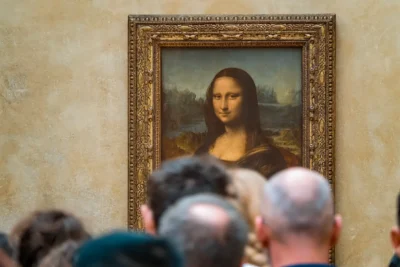
- Famous Works: Mona Lisa, The Last Supper, Vitruvian Man
- Style: Realism, scientific observation, anatomical precision
- Impact: Leonardo merged art and science, influencing composition, anatomy studies, and the use of perspective in painting. His approach emphasized careful observation of the natural world.
Michelangelo (1475–1564)
- Famous Works: Sistine Chapel ceiling, David, Pietà
- Styl e: Monumental sculpture, expressive figures, mastery of human anatomy
- Impact: Michelangelo’s work exemplifies the Renaissance ideal of human perfection, combining artistic skill with deep emotional expression.
Raphael (1483–1520)
- Famous Works: The School of Athens, Sistine Madonna
- St yle: Harmonious compositions, balance, clarity, and classical beauty
- Impact: Raphael influenced generations of artists through compositional perfection and an elegant, accessible sty le.
Exercise for Readers: Attempt a small study of a Renaissance painting, focusing on proportion, perspective, and composition.
Baroque and Rococo Artists: Drama and Elegance
Caravaggio (1571–1610)
- Style: Dramatic lighting (chiaroscuro), realism, intense emotion
- Impact: Introduced heightened contrast of light and shadow, making viewers feel directly involved in the narrative.
Rembrandt van Rijn (1606–1669)
- Style: Rich textures, portraiture, masterful use of light
- Impact: Elevated portraiture by emphasizing psychological depth and storytelling through composition.
François Boucher (1703–1770)
- Style: Light, decorative Rococo, pastel tones, playful and romantic themes
- Impact: Popularized aristocratic leisure scenes and influenced decorative arts across Europe.
Exercise for Readers: Sketch a small figure or still life using chiaroscuro techniques to practice depth and shadow.
Impressionist and Post-Impressionist Innovators
Claude Monet (1840–1926)
- Famous Works: Water Lilies, Impression, Sunrise
- Style: Loose brushwork, focus on light and atmosphere, fleeting moments
- Impact: Revolutionized painting by emphasizing perception and natural light over exact realism.
Vincent van Gogh (1853–1890)
- Famous Works: Starry Night, Sunflowers
- Style: Bold color, expressive brushstrokes, emotional intensity
- Impact: Van Gogh’s work conveys personal struggle and emotion, inspiring Expressionism and modern art movements.
Paul Cézanne (1839–1906)
- Famous Works: Mont Sainte-Victoire, The Card Players
- Style: Geometric simplification, structural composition, exploration of color and form
- Impact: Bridged Impressionism and Cubism, influencing 20th-century abstract art.
Modern Art Visionaries
Pablo Picasso (1881–1973)
- Famous Works: Guernica, Les Demoiselles d’Avignon
- Style: Cubism, experimentation, abstraction, reinvention of perspective
- Impact: Picasso challenged traditional artistic norms and transformed modern art, creating new ways to interpret reality.
Frida Kahlo (1907–1954)
- Famous Works: The Two Fridas, Self-Portrait with Thorn Necklace
- Style: Symbolic, personal narratives, surrealist influence
- Impact: Explored identity, culture, and personal suffering, inspiring generations of contemporary artists.
Wassily Kandinsky (1866–1944)
- Famous Works: Composition VII, Yellow-Red-Blue
- Style: Abstract, spiritual use of color and form
- Impact: Pioneer of abstract art, emphasizing emotional resonance over realism.
How Studying Artists Can Enhance Your Art
- Technique replication: Analyze brushwork, composition, and color choices.
- Creative adaptation: Reinterpret styles while developing personal voice.
- Historical perspective: Understand cultural influences that shaped artistic decisions.
- Critical thinking: Develop the ability to critique and contextualize artworks.
Exercise for Readers: Choose one artist each month, research their life and style, and create a piece inspired by their work while adding your own creative twist.
FAQs – Understanding Artists
Q1: Do I need to copy artists to learn from them?
Study techniques and ideas, but adapt them to your style for originality.
Q2: Which artists are most influential today?
Renaissance masters, Impressionists, and modern visionaries like Picasso and Kahlo continue to inspire contemporary art.
Q3: Can knowing an artist’s biography enhance appreciation of their work?
Yes, understanding life experiences, societal context, and challenges adds depth to interpretation.
Q4: How can beginners start studying artists?
Begin with one era or movement, explore key figures, and gradually expand knowledge across periods.
Q5: Can studying artists improve creativity?
Absolutely. Exposure to diverse styles and techniques encourages experimentation and personal expression.
Conclusion - The Greatest Artists in History
Exploring the lives, styles, and influence of the world’s greatest artists connects us to centuries of creative evolution. From Renaissance realism to modern abstraction, their legacies inspire and instruct both aspiring and seasoned artists.
At Artistic Designers, we provide insights, analysis, and practical exercises to help readers understand artists’ techniques and historical significance, fostering both creativity and knowledge.
The Art of Light and Shadow: Mastering Chiaroscuro
Frida Kahlo: The Life, Art, and Legacy of a Revolutionary Icon 🎨✨
Drawing Ideas: Creative Inspirations and Practical Tips for Artists
The Symbolism of the Mona Lisa: What Her Smile Really Means
Mastering One-Point Perspective Sketch: Techniques, Tips, and Best Practices

The Ultimate Guide to Abstract Expressionism: Origins, Key Artists, and Impact 🎨🖌️
Leave a Reply