Table
- TL;DR
- Introduction: Why Drawing Matters
- Drawing Ideas Inspired by Everyday Life
- Drawing Ideas Inspired by Famous Artists
- Drawing from Imagination
- Skill-Focused Drawing Exercises
- Tools and Mediums to Experiment With
- Turning Drawing Ideas into Projects
- Incorporating Art History and Critique
- FAQs – Drawing Inspiration
- Conclusion - Creative Drawing Ideas to Boost Your Artistic Skills
TL;DR
Drawing is more than a hobby—it’s a skill that enhances creativity, observation, and artistic expression. This guide provides inspirational ideas, creative drawing ideas, practical exercises, and tips for beginners and advanced artists alike. By exploring everyday objects, nature, famous artworks, and imaginative concepts, you can improve technique, perspective, and artistic confidence. This article also includes step-by-step exercises and tips for making drawi ng a daily habit, boosting both skill and creativity.
Introduction: Why Drawing Matters
Drawing forms the foundation of all visual arts, from preparatory sketches for paintings to standalone works of art. Regular drawing practice improves:
- Observation skills: noticing details others might overlook.
- Hand-eye coordination: essential for painting, sculpture, and digital art.
- Creativity: translating imagination onto paper.
- Visual storytelling: expressing ideas and emotions through imagery.
Whether your goal is artistic mastery, hobby enjoyment, or professional development, cultivating a daily drawing practice is key.
Drawing Ideas Inspired by Everyday Life
Observation is the first step toward improving as an artist. Dra wing common objects or scenes trains your eye and hand while encouraging creativity:
- Household objects: Mugs, chairs, plants, or books. Focus on proportions, shadows, and texture.
- Street scenes: People walking, bicycles, vehicles, storefronts. Capture movement, perspective, and interaction.
- Food and nature: Fruits, flowers, trees. Observe texture, shape, and color.
- Animals and pets: Practice anatomy, posture, and motion.
Exercise: Choose one object a day to draw, paying attention to shapes, lighting, and perspective. Over time, this builds both accuracy and speed in your sketches.
Drawing Ideas Inspired by Famous Artists
Learning from the masters allows you to experiment and understand artistic choices:
- Vincent van Gogh: Use swirling textures, expressive strokes, and vibrant colors. Try to replicate his emotional intensity in a small sketch.
- Pablo Picasso: Practice abstraction and geometric forms. Experiment with cubist perspectives in ordinary subjects.
- Frida Kahlo: Explore symbolism in self-portraits or narrative-driven imagery.
- Claude Monet: Experiment with loose strokes and subtle color blending to capture light and atmosphere.
Exercise: Select a famous painting each week and reinterpret it in your own style. Focus on a single element like color, composition, or mood to personalize the work.
Drawing from Imagination
Imaginative draw ing pushes creative boundaries and develops problem-solving skills:
- Fantasy landscapes: Mountains, castles, alien worlds, or futuristic cities.
- Invented creatures: Combine animals or humans with surreal features.
- Abstract concepts: Focus on flow, pattern, and emotion rather than literal depiction.
Exercise: Set a 10-minute timer and draw continuously without lifting your pencil. This encourages spontaneity and creative flow.
Skill-Focused Drawing Exercises
Consistent practice develops technique and confidence:
- Perspective drills: Practice one, two, and three-point perspectives with streets, rooms, or furniture.
- Shading and gradients: Work from light to dark to create volume and depth.
- Gesture drawing: Quick sketches capturing human or animal movement.
- Texture studies: Render fur, fabric, glass, water, or foliage.
- Negative space draw ing: Focus on the space around objects, improving composition awareness.
Exercise Tip: Keep a sketchbook dedicated to exercises, separate from your creative projects. Track progress over weeks.
Tools and Mediums to Experiment With
Exploring different tools expands your artistic possibilities:
- Traditional: Graphite pencils, charcoal, colored pencils, pastels, ink pens.
- Digital: Dra wing tablets, styluses, software like Procreate or Photoshop.
- Mixed med ia: Combine watercolor, ink, or collage for creative effect.
- Paper types: Smooth, textured, sketchbooks, or loose sheets—different surfaces affect line quality.
Tip: Try a new medium every month to discover your preferred tools and develop versatility.
Turning Drawing Ideas into Projects
Taking small exercises further helps build portfolio-quality work:
- Daily sketches: Commit 15–30 minutes daily to dr awing.
- Combine references: Merge real-life observation with imaginative elements.
- Create themed series: Explore one subject from multiple perspectives or styles.
- Participate in challenges: Online prompts or local art contests encourage discipline and exposure.
- Share and get feedback: Post online or in critique groups to gain constructive insights.
This structured approach transforms drawi ng from casual practice into a consistent, skill-building habit.
Incorporating Art History and Critique
Understanding historical techniques improves your drawing:
- Study classical realism to master proportion and anatomy.
- Observe Impressionists to learn light, color, and atmosphere.
- Analyze abstract artists to explore emotion and symbolism.
Exercise: Pick one historical technique and apply it to a modern subject, such as drawing a street scene using Impressionist brush-style techniques digitally or with pencil.
FAQs – Drawing Inspiration
Q1: How do I overcome creative blocks?
Change your environment, switch mediums, or draw something unfamiliar to reset creativity.
Q2: How often should I practice drawing?
Daily practice, even 15–30 minutes, drastically improves skill over time.
Q3: Can beginners draw from imagination?
Absolutely! Start with simple shapes and gradually add complexity.
Q4: Should I copy famous artworks?
Yes, for practice—but always reinterpret in your own style to develop originality.
Q5: How do I make my drawings more realistic?
Focus on perspective, proportion, shading, and observation.
Q6: Can digital drawing improve traditional skills?
Yes. Digital tools allow experimentation with layers, textures, and undo options, enhancing confidence before transferring to physical media.
Conclusion - Creative Drawing Ideas to Boost Your Artistic Skills
Drawing combines skill, observation, and imagination. By practicing with everyday objects, famous artworks, and pure imagination, artists can enhance technique, develop personal style, and express creativity more confidently.
At Artistic Designers, we provide inspiration, exercises, and guidance to help artists of all levels unlock their full creative potential. Drawing regularly and exploring new ideas ensures continuous growth and artistic fulfillment.
Works of contemporary art
7 Art Techniques: Mastering Artistic Methods for Beginners and Professionals
Famous Paintings: Exploring Iconic Artworks and Their Stories
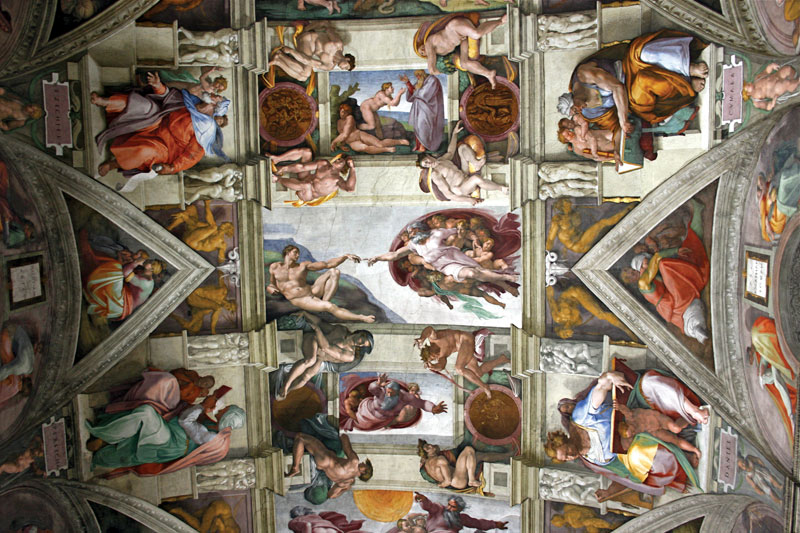
Life of Michelangelo
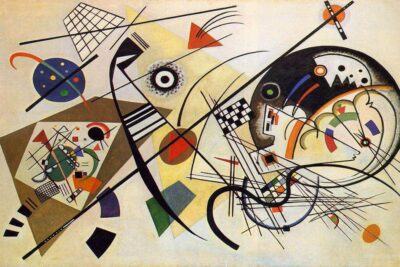
Wassily Kandinsky and Abstract Art: The Revolutionary Visionary of Modern Art 🎨✨
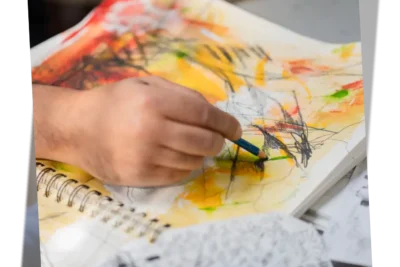
Mixed Media: Breaking the Boundaries Between Materials
Leave a Reply