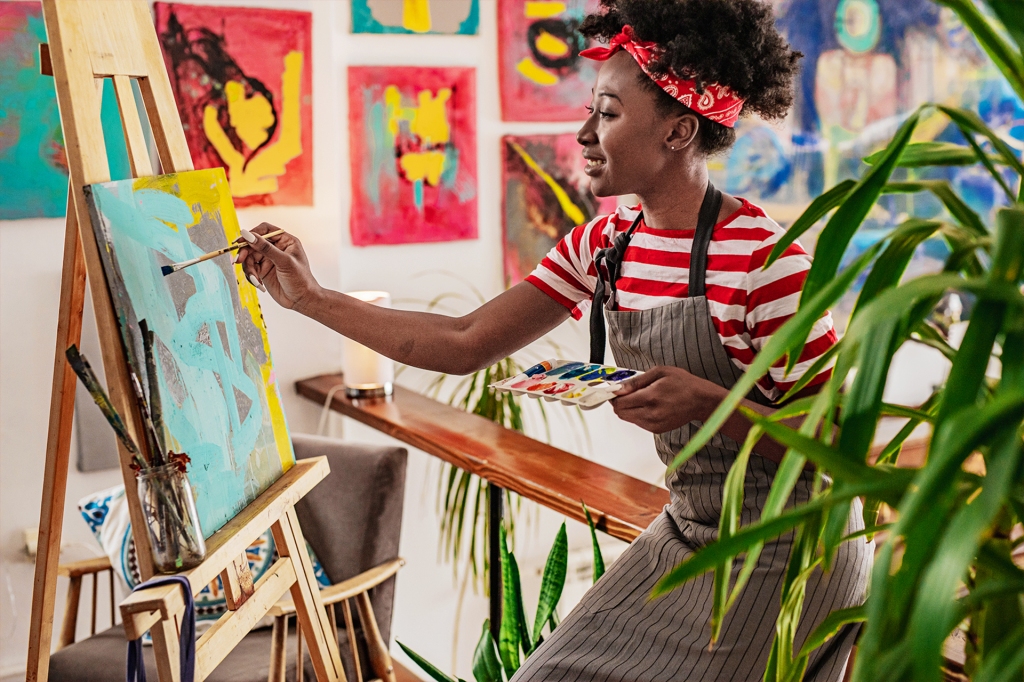
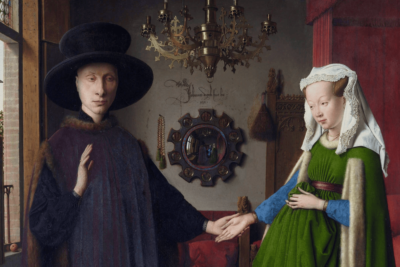
The ability to express yourself in art is one of the most powerful tools for communication, healing, exploration, and personal growth. Art gives form to emotions, ideas, memories, and stories that words alone cannot always convey. Whether through painting, drawing, sculpture, photography, dance, or digital media, artistic expression allows individuals to shape their inner worlds and share them with others.
Table
- What Does It Mean to Express Yourself in Art?
- The Importance of Artistic Expression
- Forms of Artistic Expression
- How to Express Yourself in Art: Step-by-Step Guide
- Techniques to Deepen Personal Expression
- The Role of Mindfulness in Artistic Expression
- Overcoming Creative Blocks
- How Expressing Yourself in Art Supports Well-being
- SEO Best Practices for Content About Artistic Expression
- FAQs About Expressing Yourself in Art
- Final Thoughts
What Does It Mean to Express Yourself in Art?
To express yourself in art is to transform personal experiences, feelings, or impressions into a creative form. Art becomes a visual, physical, or auditory translation of internal states. This process varies widely from person to person—some express joy, while others explore conflict, nostalgia, imagination, or transformation.
Unlike technical drawing or formal aesthetics, self-expression in art focuses on meaning, authenticity, and emotional resonance. You do not need to be a professional artist; you only need the willingness to explore and communicate through your chosen medium.
- Expression = communicating inner states
- Creativity = generating ideas and experimenting
- Art = the medium that transforms the intangible into something perceivable
The Importance of Artistic Expression
Artistic expression is deeply human and has existed since prehistoric cave paintings, ancient sculptures, and symbolic rituals. Today, it continues to offer essential psychological, social, and cultural benefits.
1. Emotional Release
Art provides a safe outlet to explore feelings—anger, fear, sadness, joy, or curiosity—without judgment.
2. Mental Health and Well-being
Studies in art therapy show that creative expression reduces stress, enhances self-awareness, and supports healing during difficult experiences.
3. Communication Beyond Words
Art helps communicate thoughts or experiences that may be difficult to verbalize, especially for children or individuals processing trauma.
4. Personal Development
Creating art strengthens confidence, decision-making, focus, and resilience.
Art connects individuals to traditions, ancestry, beliefs, and community narratives.
Forms of Artistic Expression
You can express yourself in art through countless mediums. Each form offers unique possibilities depending on your personality, goals, and interests.
1. Drawing
Lines, shapes, and textures allow you to sketch emotions or moments quickly and intuitively.
2. Painting
Color becomes your emotional vocabulary—soft blends for calmness, bold strokes for energy, layered hues for complexity.
3. Sculpture
Working in three dimensions with clay, wood, or metal creates tactile, physical manifestations of your internal world.
4. Photography
Capturing light and perspective allows you to express narrative, beauty, contrast, or meaning within ordinary life.
5. Digital Art
Tablets and software expand expression into animation, virtual painting, mixed media, and immersive design.
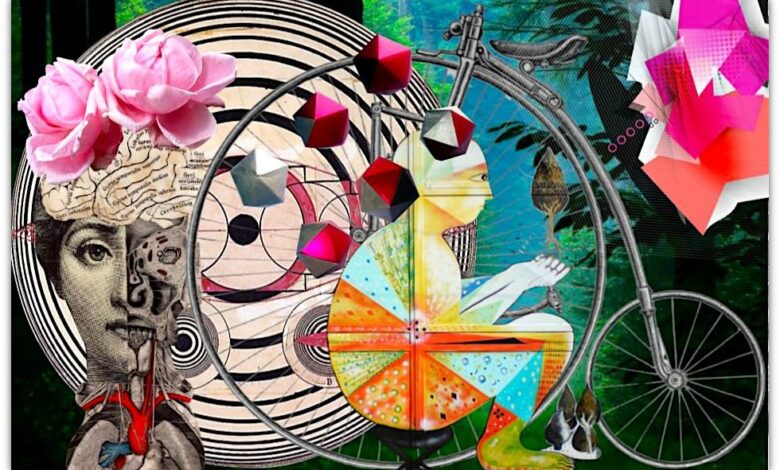
6. Collage and Mixed Media
Combining materials—paper, fabric, paint, objects—creates layered storytelling.
7. Performance Arts
Dance, theatre, movement, or music express emotion physically and audibly.
How to Express Yourself in Art: Step-by-Step Guide
The journey of creative expression is personal, but the following process can help you develop clarity and confidence as you explore different forms of art.
Step 1: Identify Your Emotional or Creative Goal
Before express yourself in art ask yourself:
- What do I want to explore or express?
- How am I feeling right now?
- What message or mood do I want to convey?
Step 2: Choose Your Medium
Select a medium that aligns with your comfort level and intention. You may prefer quick sketches, elaborate paintings, symbolic photography, or tactile sculpture.
Step 3: Gather Inspiration
Inspiration may come from nature, music, memories, dreams, or the work of other artists. Analyze what resonates with you and why.
Step 4: Experiment Without Judgment
True expression requires freedom. Allow yourself to make mistakes, improvise, reinterpret, or reinvent ideas.
Step 5: Reflect on Your Work
After finishing a piece, ask:
- What emotions surfaced?
- What part of me is represented in the artwork?
- Does the result communicate what I wanted?
Step 6: Repeat and Evolve
The more you create, the clearer your expressive voice becomes.
Techniques to Deepen Personal Expression
1. Use Symbolism
Symbols—like hands, eyes, birds, water, or abstract shapes—carry personal or cultural meaning.
2. Explore Color Psychology
Colors evoke emotions. Understanding warm vs. cool palettes can help express mood.
3. Integrate Texture
Textures communicate depth, tension, softness, or movement.
4. Visual Storytelling
Images can tell stories about your experiences, memories, or imagination.
5. Abstraction
Abstract art bypasses literal meaning and taps directly into emotional expression.
The Role of Mindfulness in Artistic Expression
Mindful art encourages you to slow down, observe, and engage with the present moment. When you express yourself in art mindfully, your senses guide the creative process:
- The sound of tools
- The feeling of texture
- The flow of color
- The rhythm of movement
Mindful creation strengthens emotional clarity and reduces creative pressure.
Overcoming Creative Blocks
It’s natural to struggle with fear, comparison, or perfectionism. These strategies can help:
- Create daily without expectations.
- Limit distractions and digital noise.
- Use prompts or challenges to spark ideas.
- Reconnect with your senses through nature walks, music, or writing.
- Collaborate with other artists.
How Expressing Yourself in Art Supports Well-being
Art-making can improve mental health in measurable ways. Benefits include:
- Reduced anxiety and stress levels
- Improved focus and memory
- Greater emotional regulation
- Enhanced communication skills
- A sense of purpose and accomplishment
Many therapists incorporate creative exercises into mental health treatment, proving the deep connection between art and healing.
SEO Best Practices for Content About Artistic Expression
To align this topic with modern search guidelines:
- Use the keyword express yourself in art naturally and sparingly.
- Include secondary terms like “creative expression,” “art therapy,” “self-expression,” and “creative techniques.”
- Provide actionable advice, not empty descriptions.
- Use internal links to related topics such as creativity, art techniques, and mindfulness.
- Add trusted external links to museums, universities, or psychological associations.
- Use clear headers for scannability and user satisfaction.
FAQs About Expressing Yourself in Art
Do I need talent to express myself in art?
No. Artistic expression is not about perfection—it's about authenticity and emotion.
What is the easiest form of art for beginners?
Drawing, collage, and simple watercolor painting are great entry points.
How do I know which medium is right for me?
Experiment with several tools and see which one feels natural or emotionally expressive.
Can art help reduce stress?
Yes. Studies show that creative expression can lower cortisol levels and improve mood.
Is digital art valid for self-expression?
Absolutely. Digital media offers limitless styles and flexible experimentation.
Final Thoughts
Learning to express yourself in art is a lifelong journey of discovery, courage, and transformation. Art offers an open doorway into your inner world, allowing you to explore emotions, share stories, and understand who you are on a deeper level. Whether you paint, draw, sculpt, photograph, or mix mediums, creative expression enriches your life with meaning, clarity, and connection.
The Art of Light and Shadow: Mastering Chiaroscuro
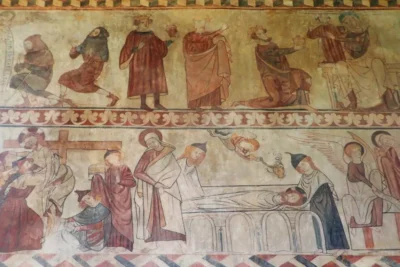
History of the Mural: From Ancient Walls to Modern Urban Art
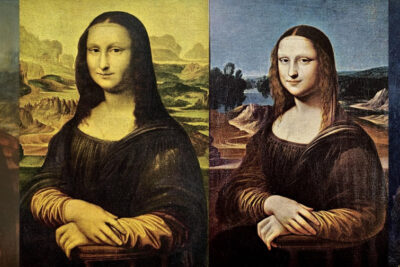
Versions Mona Lisa: Interpretation, Replica, and Reinvention of the Iconic Masterpiece
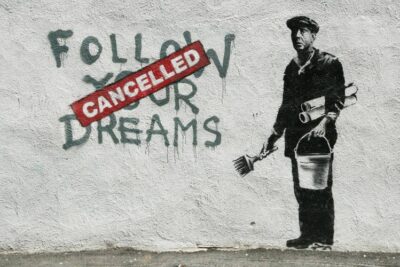
Banksy: His Art, Style, Cultural Impact, and Legacy
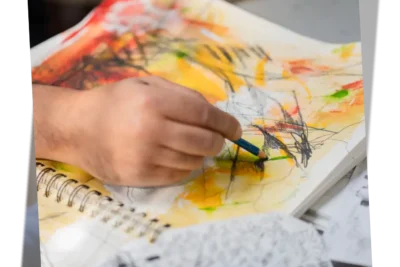
Mixed Media: Breaking the Boundaries Between Materials

Artists: The Greatest Artists in History – Lives, Styles, and Influence
Leave a Reply