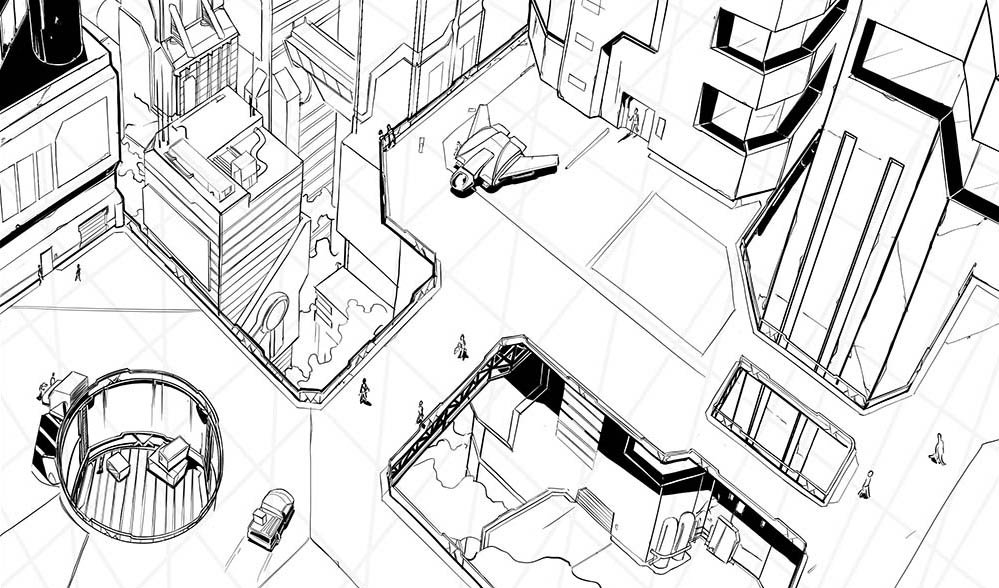
The concept of three point perspective drawing is essential for artists who want to create dramatic depth, towering structures, immersive cityscapes, and dynamic environments. Used widely in architectural illustration, comic art, concept design, and cinematic storyboarding, this technique allows creators to represent height, depth, and scale with exceptional realism. While it may seem advanced at first, mastering this method unlocks an entirely new dimension of artistic expression.
how three point perspective works, how to construct it correctly, and how artists can apply it to elevate their compositions. Whether you’re a beginner or an experienced illustrator, you’ll find detailed explanations, step-by-step instructions, and practical examples to help you confidently use this powerful drawing technique.
Table
- What Is Three-Point Perspective?
- How Three-Point Perspective Works
- The Two Major Types of Three Point Perspective
- Essential Steps for Building a Three Point Perspective Drawing
- Step 1: Draw the Horizon Line
- Step 2: Place the Left and Right Vanishing Points
- Step 3: Add the Third Vanishing Point
- Step 4: Draw the First Set of Guidelines
- Step 5: Add Vertical Guidelines to the Third Vanishing Point
- Step 6: Define Width, Height, and Depth
- Step 7: Add Additional Structures
- Step 8: Refine, Detail, and Shade
- Benefits of Learning Three-Point Perspective
- Common Mistakes and How to Avoid Them
- Advanced Techniques in Three-Point Perspective
- Applications Across Creative Fields
- SEO Best Practices When Writing About Perspective Drawing
- FAQs About Three-Point Perspective
- Final Thoughts
What Is Three-Point Perspective?
Three point perspective is a system of drawing that uses three vanishing points instead of one or two. With this structure, objects are shown receding toward three separate directions, creating a sense of height in addition to width and depth.
This method replicates the way we view the world from extreme angles—either looking up at a towering building (worm's-eye view) or looking down from great heights (bird’s-eye view). Unlike one- or two-point structures, three-point diagrams remove parallel vertical lines from the composition, creating a more dramatic and realistic representation of real-world observation.
The technique becomes especially valuable when illustrating:
- Skyscrapers and tall architecture
- Cinematic action scenes
- Complex interiors and exteriors
- Concept art and worldbuilding
- Dynamic comic book panels
Academic sources like the Rhode Island School of Design and the Royal Academy of Arts offer foundational references that support the importance of perspective systems in visual storytelling.
How Three-Point Perspective Works
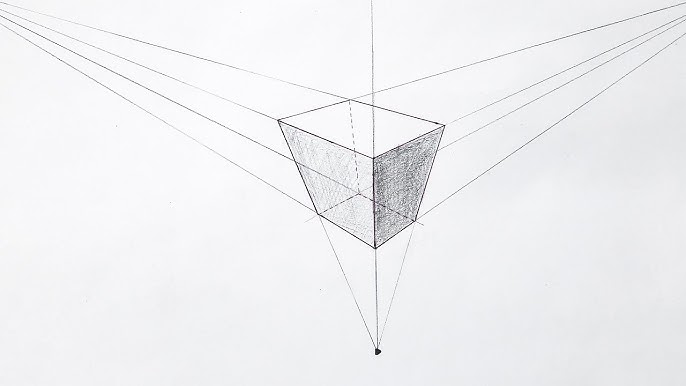
Three point perspective is built on a triangular arrangement of vanishing points:
- Left vanishing point controls horizontal receding lines.
- Right vanishing point controls the opposite horizontal lines.
- Top or bottom vanishing point controls vertical recession.
When the third vanishing point sits below the horizon line, the viewer looks down. When it sits above, the viewer looks up. This simple shift can completely transform the emotional tone of the image.
Artists often use this for:
- Dramatic storytelling angles
- Powerful emotional effects
- Architectural realism
- Large-scale compositions
The Two Major Types of Three Point Perspective
1. Worm’s-Eye View (Looking Up)
In a worm’s-eye configuration, the third vanishing point is placed high above the horizon. Buildings appear to stretch upward endlessly, often conveying awe, fear, or insignificance.
- Common in superhero comics
- Used in movie posters and dramatic architecture scenes
- Great for emphasizing height or vertical tension
2. Bird’s-Eye View (Looking Down)
Here, the third vanishing point is placed below the horizon. This view gives the impression of altitude, making the viewer feel as if they are floating over a city, landscape, or structure.
- Common in city planning illustrations
- Used in drone-shot style artwork
- Ideal for mapping environments or creating worldbuilding moments
Essential Steps for Building a Three Point Perspective Drawing
Below is a professional step-by-step guide for constructing a correct three-point perspective composition.
Step 1: Draw the Horizon Line
This horizontal line represents the viewer’s eye level. It determines which parts of the drawing feel elevated or grounded.
Step 2: Place the Left and Right Vanishing Points
These points should sit far apart—often beyond the edge of the page—to prevent distortion. Digital drawing programs allow infinite canvas extensions for accuracy.
Step 3: Add the Third Vanishing Point
Place the third point well above or below the horizon depending on the chosen perspective type. This point manages the vertical lines of the structure.
Step 4: Draw the First Set of Guidelines
Connect your object’s corners to the left and right vanishing points. These directional guides form the base of the shape.
Step 5: Add Vertical Guidelines to the Third Vanishing Point
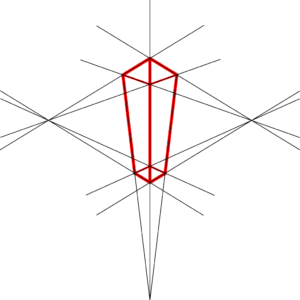
This is the key element distinguishing three-point perspective from simpler systems. Instead of staying parallel, vertical lines converge toward the third vanishing point.
Step 6: Define Width, Height, and Depth
Use crossing guidelines to determine the shape’s boundaries. You can now cut the object off at any position by drawing a perpendicular line across the recession lines.
Step 7: Add Additional Structures
You can populate the environment with more shapes, maintaining consistent vanishing point alignment.
Step 8: Refine, Detail, and Shade
Add textures, materials, windows, vegetation, characters, and other elements to complete the composition.
Benefits of Learning Three-Point Perspective
Developing strong perspective skills gives artists a competitive edge in the creative industry. The benefits include:
- More dynamic compositions with cinematic depth
- Professional-level architectural accuracy
- Improved spatial understanding for environment design
- Greater confidence drawing extreme angles
- Enhanced storytelling ability through powerful viewpoints
Educational institutions like the ArtCenter College of Design emphasize perspective mastery as a foundational skill for aspiring illustrators and designers.
Common Mistakes and How to Avoid Them
1. Placing Vanishing Points Too Close
When the points sit too close together, severe distortion appears. The drawing becomes unnatural and overly compressed.
2. Forgetting the Convergence of Vertical Lines
If vertical lines remain parallel, the drawing reverts to two-point perspective unintentionally.
3. Misaligned Details
Windows, bricks, or building edges must follow the correct vanishing direction. Inconsistent details break realism.
4. Overcrowding the Composition
Beginners often add too many structures before mastering the fundamentals.
Advanced Techniques in Three-Point Perspective
1. Curved Objects in Perspective
Even rounded shapes like domes or pipes can be constructed by plotting key points along perspective lines.
2. Foreshortening
Three-point structure naturally enhances foreshortening, exaggerating depth for dynamic effect.
3. Atmospheric Perspective
Objects fade in clarity and contrast as they recede, adding realism. This technique complements perspective perfectly.
4. Layered Environments
In worldbuilding, multiple structures overlap. Artists must track perspective consistency to maintain believability.
Applications Across Creative Fields
The three-point method appears across many artistic disciplines:
- Comic art – dramatic panels, villain towers, action scenes
- Animation – establishing shots, layout backgrounds
- Architecture – skyscraper and high-rise visualization
- Video games – level design, environmental concept art
- Film – storyboarding and scene composition
Institutions like the American Institute of Architecture and the Society of Illustrators often highlight three-point compositions in professional training resources.
SEO Best Practices When Writing About Perspective Drawing
- Use the target keyword three point perspective drawing sparingly (under 10 uses).
- Add related phrases such as “perspective grid,” “vanishing point drawing,” or “architectural illustration.”
- Include external authoritative references like art museums, design schools, or academic publications.
- Provide helpful, original insights instead of repeating generic definitions.
- Structure headings clearly with H1, H2, and H3 tags.
- Use internal links on your own site to guides about shading, composition, or architecture.
FAQs About Three-Point Perspective
Is three-point perspective difficult to learn?
It may seem complex at first, but once you understand the logic behind the three vanishing points, the method becomes intuitive.
Where is three-point perspective used most?
It is commonly used in skyscraper illustrations, dramatic comic scenes, and cinematic environment layouts.
Should beginners learn one-point and two-point first?
Yes. Mastering simpler systems first creates a strong foundation.
Are digital tools helpful?
Absolutely. Software like Procreate, Krita, and Photoshop offer perspective grids that simplify accuracy.
Can three-point perspective be used indoors?
Yes—it works beautifully for tall interior rooms, staircases, and dramatic architectural spaces.
Final Thoughts
Understanding and mastering three point perspective drawing is one of the most transformative steps in an artist’s journey. It allows you to create immersive environments, dynamic viewpoints, and visually stunning illustrations that capture attention and convey powerful storytelling. Whether you aim to work in concept art, architecture, comics, or fine art, this technique is an essential component of professional-level visual design. With practice and the right foundational knowledge, you can use three-point perspective to bring depth, energy, and life to every composition you create.
Drawing Ideas: Creative Inspirations and Practical Tips for Artists
The Greatest Artists in History: Lives, Styles, and Influence
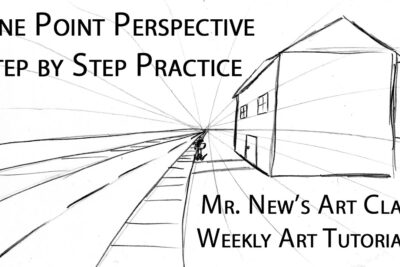
The Vanishing Point in Art: Understanding Perspective and Depth 🎨✨

Eroticism in Art: Schiele, Dalí & Picasso
Layering and Glazing: Building Depth Like the Old Masters
7 Art Techniques: Mastering Artistic Methods for Beginners and Professionals
Leave a Reply