
Table
- TL;DR
- Introduction: Why Study Great Artists?
- Renaissance Masters: The Birth of Modern Art
- Baroque and Rococo: Drama, Emotion, and Ornament
- Modern and Contemporary Artists
- How These Artists Influence Modern Creativity
- Key Elements to Analyze in Each Artist
- FAQs – Learning from Great Artists
- Conclusion
TL;DR
The greatest artists in history have shaped culture, aesthetics, and human perception. From Renaissance masters like Michelangelo to modern visionaries like Picasso, their lives, techniques, and innovations influenced generations. Understanding their biographies, styles, and contributions allows art enthusiasts to appreciate the evolution of creativity and expression across centuries.
Introduction: Why Study Great Artists?
Artists are more than creators; they are cultural icons, innovators, and storytellers. Studying their lives and works reveals the intersection of personal experience, historical context, and artistic innovation. By exploring the stories behind masterpieces, we gain insight into how art reflects and shapes society.
This guide explores some of the most influential artists in history, analyzing their lives, styles, and lasting impact.
Renaissance Masters: The Birth of Modern Art
Leonardo da Vinci (1452–1519)
- Known for: Mona Lisa, The Last Supper
- Style & Technique: Mastery of chiaroscuro, sfumato, anatomical precision.
- Impact: Combined art and science, influencing both fields profoundly.
Michelangelo Buonarroti (1475–1564)
- Known for: David, Sistine Chapel Ceiling
- Style & Technique: Sculptural precision, dynamic compositions, monumental scale.
- Impact: Redefined human form depiction, merging sculpture and painting seamlessly.
Raphael (1483–1520)
- Known for: School of Athens, religious frescoes
- Style & Technique: Harmony, balance, clarity in compositions.
- Impact: Influenced European academic painting for centuries.
Key Takeaway: Renaissance artists emphasized technical mastery, human anatomy, and balanced composition, laying foundations for future art movements.
Baroque and Rococo: Drama, Emotion, and Ornament
Caravaggio (1571–1610)
- Known for: The Calling of Saint Matthew, Judith Beheading Holofernes
- Style & Technique: Dramatic chiaroscuro, realism, emotional intensity.
- Impact: Introduced theatrical lighting and psychological depth in painting.
Peter Paul Rubens (1577–1640)
- Known for: The Descent from the Cross, mythological scenes
- Style & Technique: Dynamic compositions, vibrant color, movement
- Impact: Inspired Baroque aesthetics across Europe.
François Boucher (1703–1770)
- Known for: Rococo decorative paintings
- Style & Technique: Soft color palettes, playful and ornate compositions
- Impact: Defined the Rococo style, influencing decorative and portrait art.
Modern and Contemporary Artists
Vincent van Gogh (1853–1890)
- Known for: Starry Night, Sunflowers
- Style & Technique: Expressive brushstrokes, vivid colors, emotional intensity
- Impact: Pioneered Post-Impressionism, inspired expressionist movements.
Pablo Picasso (1881–1973)
- Known for: Guernica, Cubism
- Style & Technique: Cubism, abstraction, innovation across styles
- Impact: Revolutionized modern art, challenged traditional representation.
Frida Kahlo (1907–1954)
- Known for: Self-portraits, surreal symbolism
- Style & Technique: Symbolic imagery, vibrant colors, personal narrative
- Impact: Highlighted identity, pain, and culture; influential in feminist art.
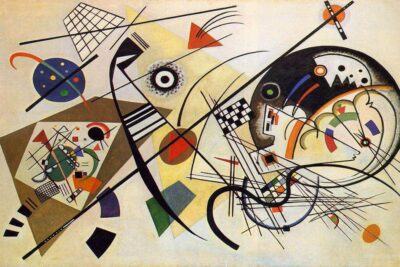
Wassily Kandinsky (1866–1944)
- Known for: Abstract works, Composition VIII
- Style & Technique: Color theory, abstraction, spiritual expression
- Impact: Father of abstract art, bridging visual and musical concepts.
How These Artists Influence Modern Creativity
- Techniques: Many modern artists build upon Renaissance precision, Baroque drama, or Post-Impressionist color.
- Conceptual Art: Symbolism, narrative, and social commentary persist in contemporary works.
- Cultural Impact: Artists shape trends, challenge norms, and inspire global audiences.
Understanding these legacies allows emerging artists and enthusiasts to draw inspiration while developing their unique voice.
Key Elements to Analyze in Each Artist
- Life and Background: Personal experiences, education, and challenges.
- Style and Technique: Brushwork, medium, composition, and innovation.
- Iconic Works: Signature pieces that define their career.
- Historical Context: Cultural, social, and political influences.
- Legacy: How their work shaped art and inspired subsequent generations.
FAQs – Learning from Great Artists
Q1: Why study historical arti sts instead of contemporary ones?
Historical artists provide context, techniques, and lessons that shaped art’s evolution.
Q2: Can I learn technical skills from studying famous a rtists?
Yes, analyzing techniques, composition, and color usage enhances your own artistic ability.
Q3: How do I choose which artists to study?
Start with those whose styles or movements interest you, then expand across periods for breadth.
Q4: Are all their works equally influential?
Some masterpieces define their legacy, while others provide insight into experimentation and evolution.
Q5: Can contemporary artists surpass historical icons?
Yes, contemporary innovation continues the tradition of evolving art, blending past and modern techniques.
Conclusion
From the Renaissance to modern art, great artists have shaped human culture, aesthetics, and thought. By studying their lives, styles, and contributions, we gain insight into creativity, technical mastery, and historical context.
At Artistic Designers, we celebrate these legends to inspire learning, appreciation, and creative growth for artists and enthusiasts worldwide.
Wassily Kandinsky and Abstract Art: The Revolutionary Visionary of Modern Art 🎨✨
Understanding Perspective in Art: A Beginner’s Guide in 2025

Express Yourself in Art: Creativity, Techniques, and Personal Expression

The Ultimate Guide to Abstract Expressionism: Origins, Key Artists, and Impact 🎨🖌️
Art History: A Complete Timeline of Art Movements from Renaissance to Modern Art
The Art of Light and Shadow: Mastering Chiaroscuro
Leave a Reply