The color green has played a significant role in art for centuries, conveying a wide range of meanings, moods, and aesthetic qualities. From natural landscapes to symbolic representations in religious and contemporary art, understanding green’s nuances allows artists, designers, and historians to interpret works more deeply and apply the color strategically in creative projects. This article provides a comprehensive analysis of green in art, its symbolism, psychological effects, historical use, and practical applications.
Table
Historical Significance of Green in Art
Throughout history, green has held different meanings depending on cultural context, available pigments, and artistic movements:
1. Ancient and Medieval Art
In ancient Egypt, color green symbolized fertility, growth, and rebirth. The Egyptians created pigments like malachite to depict plants, landscapes, and the regenerative power of the Nile. During the Middle Ages in Europe, green often represented nature, hope, and youth, appearing in religious manuscripts, tapestries, and stained glass.
2. Renaissance Art
During the Renaissance, artists like Leonardo da Vinci and Botticelli utilized color green to create realistic landscapes, foliage, and textures. The development of stable green pigments, such as verdigris, allowed for greater experimentation and subtle shading in naturalistic painting.
3. Modern and Contemporary Art
In the 19th and 20th centuries, green became central in Impressionism, Expressionism, and Modernism. Artists like Vincent van Gogh used vibrant greens to evoke emotion, depth, and contrast. Contemporary artists continue to experiment with green in abstract compositions, digital art, and installations, often exploring ecological and cultural symbolism.
Symbolism and Meaning of Green
Green carries a variety of symbolic meanings across cultures and artistic contexts:
Nature and Life
Green universally represents nature, vegetation, and life. It evokes growth, renewal, and harmony, making it a primary color for landscapes and environmental themes.
Healing and Calm
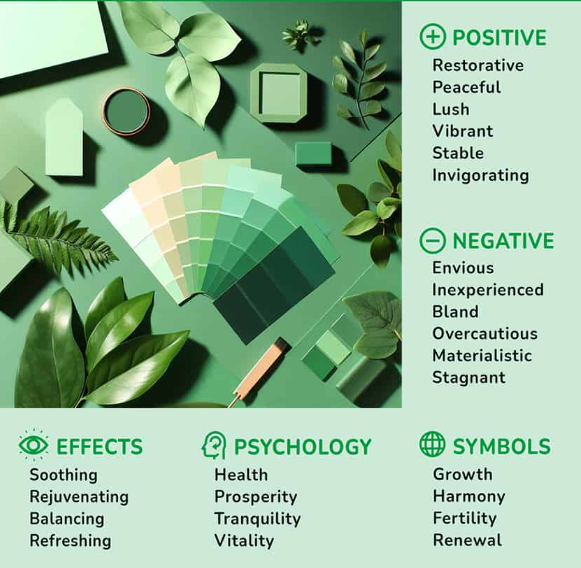
In psychology, green is associated with balance, calmness, and emotional restoration. Artists use it to create serene atmospheres and meditative scenes.
Wealth and Fertility
Historically, color green has symbolized abundance, fertility, and prosperity. In classical art, green elements often indicate vitality, fruitfulness, and health.
Jealousy and Envy
Conversely, green can represent envy or jealousy. Shakespeare’s phrase “green-eyed monster” exemplifies this symbolic duality, which artists sometimes explore in character-driven or allegorical compositions.
Psychological Effects of Green in Art
The perception of green influences mood, attention, and visual interpretation. Understanding these effects helps artists and designers manipulate the audience’s emotional response:
- Relaxation: Green’s association with nature creates a calming effect and reduces visual fatigue.
- Focus: Balanced green tones support concentration, making it effective in educational and work-related environments.
- Optimism and Renewal: Bright greens evoke growth, vitality, and optimism.
- Complex Emotions: Dark or muted greens may convey melancholy, tension, or mystery.
Green Pigments in Art History
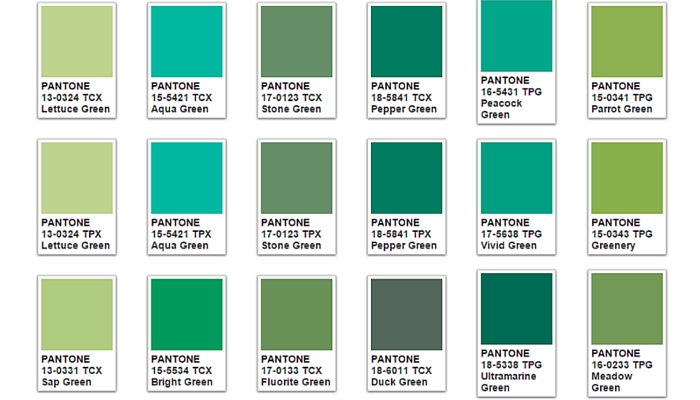
Different pigments have been used to achieve various shades of green:
Malachite
A mineral-based pigment used in ancient Egyptian art and medieval manuscripts, producing rich, opaque greens.
Verdigris
A copper-based pigment widely used in Renaissance painting. Verdigris could produce bright coolo greens but was chemically unstable and prone to darkening over time.
Chromium Oxide and Viridian
Developed in the 19th century, these pigments provided artists with durable, vibrant greens that remained stable under light and time.
Emerald and Synthetic Greens
Modern synthetic pigments allow for a wide range of color green shades, from pastel mint to deep forest, enabling precision in both traditional and digital art.
Applications of Green in Artistic Composition
1. Landscape Painting
Green dominates natural landscapes, forests, fields, and foliage. Artists use multiple shades of green to create depth, perspective, and atmospheric effects. Techniques like layering, blending, and glazing enhance realism.
2. Portraits and Figurative Art
In portraiture, green may appear in clothing, backgrounds, or symbolic accessories. For instance, Renaissance portraits often included color green garments to signify youth or vitality.
3. Abstract and Modern Art
Contemporary artists exploit green for its emotional impact, compositional balance, and contrast. Abstract works use vibrant greens to create energy, movement, and harmony within the artwork.
4. Design and Interior Spaces
Green is widely used in interior design for walls, furniture, and accents. Its calming and natural association enhances environments, while bright or bold greens introduce vibrancy and creativity.
Case Studies: Green in Iconic Artworks
Van Gogh’s Landscapes
Van Gogh’s paintings often feature swirling, intense color greens in fields and trees. His use of contrasting greens and yellows conveys energy, movement, and emotional resonance. Examples include Wheatfield with Crows and Olive Trees with the Alpilles in the Background.
Claude Monet and Impressionism
Monet’s impressionist landscapes exploit green’s subtleties through layering and light manipulation. Paintings like Water Lilies demonstrate nuanced greens reflecting nature’s depth and serenity.
Contemporary Art
Artists such as Olafur Eliasson and Yayoi Kusama use green in installations and immersive spaces. In contemporary contexts, color green often symbolizes ecology, growth, and harmony, connecting audiences to environmental themes.
Tips for Using Green Effectively in Art
- Layer Shades: Combine light, medium, and dark greens to create depth and texture.
- Complementary Colors: Pair green with red or magenta to create visual contrast and vibrancy.
- Consider Lighting: Green interacts with natural and artificial light differently; adjust hues accordingly.
- Balance Emotion: Choose bright color greens for optimism, muted greens for calmness, and dark greens for tension or mystery.
- Experiment in Mixed Media: Combine green pigments with acrylics, oils, digital layers, or natural materials for texture and originality.
The color green holds immense significance in art, representing nature, emotion, symbolism, and compositional balance. Its historical usage, from ancient civilizations to modern art, demonstrates its versatility and psychological impact. By understanding green’s nuances, artists and designers can enhance depth, convey emotion, and connect audiences to natural and symbolic themes.
Whether creating landscapes, abstract works, or interior designs, the strategic use of coolor green enriches visual storytelling and fosters engagement. Studying its historical context, pigment varieties, and modern applications provides a comprehensive understanding for both art appreciation and professional creation.
7 Art Techniques: Mastering Artistic Methods for Beginners and Professionals

Banksy: His Art, Style, Cultural Impact, and Legacy
Rangoli Artwork: A Complete Guide to Its Meaning, Techniques, Patterns and Modern Uses

Express Yourself in Art: Creativity, Techniques, and Personal Expression
The Greatest Artists in History: Lives, Styles, and Influence

Eroticism in Art: Schiele, Dalí & Picasso
Leave a Reply