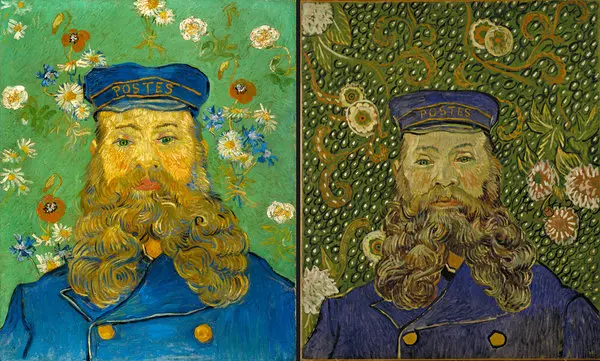
Vincent van Gogh in design one of the most influential painters in art history, has not only left a lasting legacy in fine arts but also continues to inspire modern design across multiple disciplines. From interior decor and graphic design to digital art and fashion, Van Gogh in design techniques, colors, and emotional depth serve as a powerful reference for designers seeking creativity, texture, and visual impact.
Table
Who Was Van Gogh?
Vincent van Gogh (1853–1890) was a Dutch post-impressionist painter known for his expressive brushwork, bold colors, and emotionally charged compositions. His paintings, such as Starry Night, Sunflowers, and The Bedroom, showcase a distinctive style that combines vivid color, dynamic lines, and an unparalleled sense of movement. Despite struggling with mental health issues and limited recognition during his lifetime, Van Gogh’s work profoundly influenced modern art and continues to inspire creative fields today.
Van Gogh’s Artistic Techniques
Understanding Van Gogh in Design techniques is essential for applying his influence to design:
1. Bold, Expressive Brushstrokes
Van Gogh’s thick, energetic brushstrokes create texture and movement. This approach translates beautifully into design through:
- Textured digital illustrations
- Patterned wallpapers and fabrics
- Layered visual elements in graphic design
2. Vibrant and Contrasting Colors
His use of complementary colors—like yellow and blue or red and green—evokes strong emotions. Designers apply this principle to:
- Interior color schemes
- Branding and marketing visuals
- Web and app interfaces
3. Dynamic Composition and Perspective
Van Gogh often experimented with unusual perspectives and compositional arrangements. Designers can use this idea by:
- Creating asymmetrical layouts in print and digital media
- Applying visual flow to guide user attention
- Adding depth through perspective-inspired illustrations
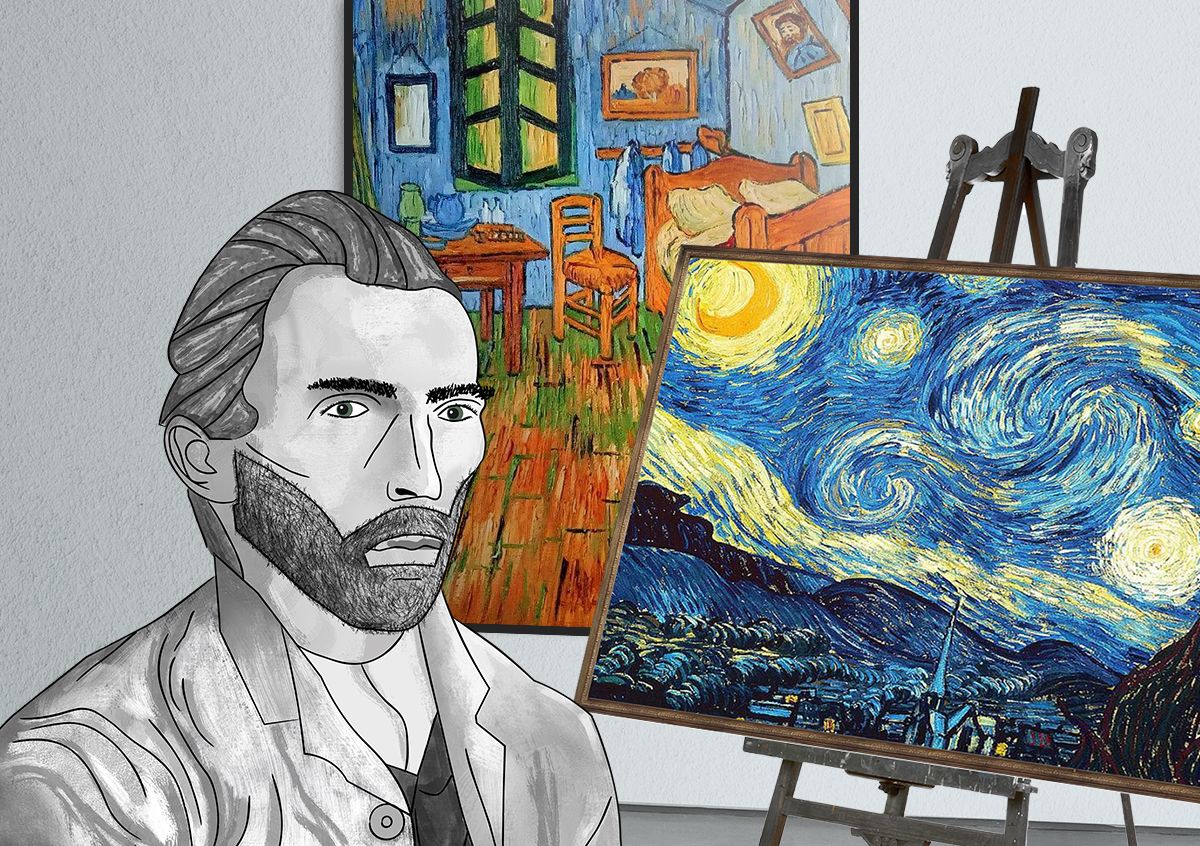
4. Emotional Storytelling Through Visuals
Every painting conveys a strong narrative or mood. Modern designers draw inspiration by:
- Crafting branding messages with emotional resonance
- Designing immersive interior spaces
- Creating illustrations that evoke a feeling rather than just aesthetics
Van Gogh’s Influence on Modern Design
Van Gogh’s legacy extends far beyond the museum. Contemporary designers incorporate his techniques across multiple fields:
Interior Design
Van Gogh in Design vibrant color palettes and textures inspire furniture, wall art, rugs, and decorative objects. Designers often mimic his brushwork in wall finishes or murals to create a dynamic, expressive environment.
Graphic Design
His style influences branding, posters, and digital content. Bold colors, expressive textures, and emotional storytelling create a connection with audiences, enhancing engagement and memorability.
Fashion Design
Textiles and prints inspired by Van Gogh often feature swirling patterns, vibrant contrasts, and painterly textures. Designers integrate these elements into clothing, scarves, and accessories for artistic flair.
Digital Art and Animation
Digital artists emulate Van Gogh’ brushstrokes and palettes using software like Adobe Illustrator, Procreate, and Photoshop. Motion graphics and animations can mimic his dynamic line work, creating visually compelling content.
Practical Tips for Designers Using Van Gogh’s Inspiration
- Study Original Works: Analyze paintings like Starry Night and The Yellow House to understand color harmony and brushstroke energy.
- Experiment with Texture: Incorporate layered textures in digital or physical media to mimic his expressive style.
- Embrace Bold Colors: Don’t shy away from vibrant contrasts to evoke emotion and highlight focal points.
- Use Dynamic Composition: Break traditional symmetry and explore diagonal lines or asymmetrical layouts.
- Tell a Story: Let your design evoke feelings or narratives, inspired by Van Gogh’s emotional depth.
Case Studies: Van Gogh in Design Projects
1. Interior Design Example
Modern cafes and hotels have recreated Van Gogh in Design inspired spaces by using swirling patterns, bold yellow and blue palettes, and textured wall art. This creates a memorable environment and an immersive experience for visitors.
2. Branding Example
Some companies use Van Gogh’s color contrasts in logo design and advertising campaigns. By emulating his bold color choices, brands convey creativity and stand out in crowded markets.
3. Digital Media Example
Animated videos have applied Van Gogh’s style using motion graphics that replicate swirling skies, vibrant textures, and brushstroke dynamics, enhancing storytelling and engagement.
Van Gogh’s influence in design continues to resonate across various creative fields. From interiors and fashion to digital media and branding, his expressive brushwork, bold color choices, and emotional storytelling provide endless inspiration. By studying his techniques and applying them thoughtfully, designers can create compelling, memorable, and innovative work that connects with audiences on an emotional level.
Whether you are a beginner designer or a professional artist, incorporating Van Gogh’s principles can elevate your projects and enrich your creative vision.
Versions Mona Lisa: Interpretation, Replica, and Reinvention of the Iconic Masterpiece
Life of Michelangelo

Banksy: His Art, Style, Cultural Impact, and Legacy

Eroticism in Art: Schiele, Dalí & Picasso
Drawing Ideas: Creative Inspirations and Practical Tips for Artists

Classic realism
Leave a Reply